Items filtered by date: October 2023
Exploring Surgery Options for Ankle Arthritis

Ankle arthritis, characterized by the progressive degeneration of the ankle joint, can cause significant pain and hinder one's ability to move comfortably. When conservative treatments such as medication and bracing prove insufficient, surgery for ankle arthritis may become a viable option. There are several surgical procedures available to address ankle arthritis, each tailored to the individual's specific condition and needs. One common procedure is ankle arthroscopy, a minimally invasive technique that allows the surgeon to examine and treat the joint with small incisions. Ankle fusion, or arthrodesis, involves the removal of damaged joint surfaces and the fusion of the tibia and talus bones to create a stable but immobile joint, effectively eliminating pain. Ankle replacement surgery, or arthroplasty, is another option, where the damaged joint is replaced with a prosthetic implant, preserving joint motion and relieving pain. The choice of surgery depends on factors like the extent of joint damage, the patient's age, and overall health. While each surgery comes with its own set of considerations and potential risks, these options offer hope for improved ankle function and long-term pain relief for individuals battling ankle arthritis. If you have ankle arthritis and are contemplating surgery as a treatment option, it is strongly suggested that you consult a podiatrist who can determine the best type of surgery for you.
Foot surgery is sometimes necessary to treat a foot ailment. To learn more, contact Dr. Michael A. Wood of Foot Health Institute. Our doctor will assist you with all of your foot and ankle needs.
When Is Surgery Necessary?
Foot and ankle surgery is generally reserved for cases in which less invasive, conservative procedures have failed to alleviate the problem. Some of the cases in which surgery may be necessary include:
- Removing foot deformities like bunions and bone spurs
- Severe arthritis that has caused bone issues
- Cosmetic reconstruction
What Types of Surgery Are There?
The type of surgery you receive will depend on the nature of the problem you have. Some of the possible surgeries include:
- Bunionectomy for painful bunions
- Surgical fusion for realignment of bones
- Neuropathy decompression surgery to treat nerve damage
Benefits of Surgery
Although surgery is usually a last resort, it can provide more complete pain relief compared to non-surgical methods and may allow you to finally resume full activity.
Surgical techniques have also become increasingly sophisticated. Techniques like endoscopic surgery allow for smaller incisions and faster recovery times.
If you have any questions please feel free to contact one of our offices located in Lansing, and Chicago, IL . We offer the newest diagnostic and treatment technologies for all your foot and ankle needs.
Corns and Calluses on the Feet
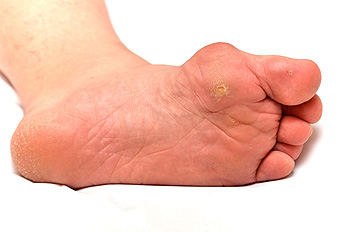
Corns and calluses are skin conditions that result from excess pressure or friction on the feet. A common cause of corns and calluses is wearing ill-fitting shoes, particularly high heels. Tight or uncomfortable footwear, not wearing socks with shoes, and engaging in activities that involve repetitive movements, can result in the formation of corns and calluses. If a corn or callus becomes infected, treatment options include taking antibiotics. Symptoms are redness, warmth, swelling, or discharge. In such cases, a podiatrist can prescribe medication to combat the infection. In the case of stubborn corns or calluses, a podiatrist can offer a range of treatments. Included are debridement to remove the hardened skin and adding padding and insoles to redistribute pressure. In certain situations, custom orthotic devices may be prescribed to address structural issues, and topical medications may be applied to soften the affected area. Prevention of corns and calluses on the feet involves wearing properly fitting shoes and addressing any underlying foot problems. If you need help dealing with problematic corns or calluses on the feet, it is suggested that you make an appointment with a podiatrist.
If you have any concerns regarding your feet and ankles, contact Dr. Michael A. Wood of Foot Health Institute. Our doctor will treat your foot and ankle needs.
Corns: What Are They? and How Do You Get Rid of Them?
Corns can be described as areas of the skin that have thickened to the point of becoming painful or irritating. They are often layers and layers of the skin that have become dry and rough, and are normally smaller than calluses.
Ways to Prevent Corns
There are many ways to get rid of painful corns such as wearing:
- Well-fitting socks
- Comfortable shoes that are not tight around your foot
- Shoes that offer support
Treating Corns
Treatment of corns involves removing the dead skin that has built up in the specific area of the foot. Consult with Our doctor to determine the best treatment option for your case of corns.
If you have any questions please feel free to contact one of our offices located in Lansing, and Chicago, IL . We offer the newest diagnostic and treatment technologies for all your foot and ankle needs.
Benefits Versus Potential Foot Conditions From Playing Pickelball

Pickleball, a popular sport combining elements of tennis, badminton, and ping-pong, offers a range of benefits while posing some potential foot concerns. On the plus side, pickleball provides an excellent cardiovascular workout, promoting heart health and weight management. It is a low-impact sport, reducing stress on joints, and making it suitable for various age groups. Enhanced agility, balance, and improved hand-eye coordination are additional perks. However, repetitive lateral movements and sudden directional changes may lead to foot conditions, such as plantar fasciitis or Achilles tendonitis. The quick, short sprints involved can strain calf and ankle muscles. Wearing proper footwear and stretching before and after playing are vital to minimize risks. Overall, the enjoyment and health advantages derived from playing pickleball can be well balanced with adequate foot care and injury prevention measures. If you would like additional knowledge concerning foot health and pickleball, it is suggested that you consult a podiatrist who can provide you with the information you are seeking.
Ankle and foot injuries are common among athletes and in many sports. They can be caused by several problems and may be potentially serious. If you are feeling pain or think you were injured in a sporting event or when exercising, consult with Dr. Michael A. Wood from Foot Health Institute. Our doctor will assess your condition and provide you with quality foot and ankle treatment.
Common Injuries
The most common injuries that occur in sporting activities include:
- Achilles Tendonitis
- Achilles Tendon Rupture
- Ankle Sprains
- Broken Foot
- Plantar Fasciitis
- Stress Fractures
- Turf Toe
Symptoms
Symptoms vary depending upon the injury and in some cases, there may be no symptoms at all. However, in most cases, some form of symptom is experienced. Pain, aching, burning, bruising, tenderness, tightness or stiffness, sensation loss, difficulty moving, and swelling are the most common symptoms.
Treatment
Just as symptoms vary depending upon the injury, so do treatment options. A common treatment method is known as the RICE method. This method involves rest, applying ice, compression and elevating the afflicted foot or ankle. If the injury appears to be more serious, surgery might be required, such as arthroscopic or reconstructive surgery. Lastly, rehabilitation or therapy might be needed to gain full functionality in the afflicted area. Any discomfort experienced by an athlete must be evaluated by a licensed, reputable medical professional.
If you have any questions, please feel free to contact one of our offices located in Lansing, and Chicago, IL . We offer the newest diagnostic and treatment technologies for all your foot care needs.
Definition and Causes of Flat Feet
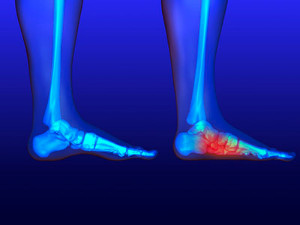
Flat feet, known as pes planus, is a common condition that affects the arches of the feet. Flat feet are characterized by a lack of arch in the foot's inner sole, causing the entire sole to make contact with the ground. While some individuals have flat feet from childhood, others may develop them later in life. One primary cause of flat feet is genetics. If your parents or grandparents had flat feet, there's a higher likelihood of inheriting the condition. Additionally, injuries or stress to the feet's tendons and ligaments can lead to flat feet. Wearing ill-fitting shoes that don't provide proper arch support can contribute to developing flat feet. Conditions like arthritis, obesity, and diabetes can also be factors. Aging is another common contributor, as conditions like osteoporosis can also lead to flat feet. Weakened bones may not provide the necessary support for the arches. Certain neurological conditions, like multiple sclerosis, may play a role in the development of flat feet. These disorders can affect the nerves that control foot muscles. Also, injuries or other foot-related issues can alter the foot's structure and result in flat feet. If you suspect you have flat feet and are experiencing discomfort, it's suggested that you consult a podiatrist for an exam and treatment options.
Flatfoot is a condition many people suffer from. If you have flat feet, contact Dr. Michael A. Wood from Foot Health Institute. Our doctor will treat your foot and ankle needs.
What Are Flat Feet?
Flatfoot is a condition in which the arch of the foot is depressed and the sole of the foot is almost completely in contact with the ground. About 20-30% of the population generally has flat feet because their arches never formed during growth.
Conditions & Problems:
Having flat feet makes it difficult to run or walk because of the stress placed on the ankles.
Alignment – The general alignment of your legs can be disrupted, because the ankles move inward which can cause major discomfort.
Knees – If you have complications with your knees, flat feet can be a contributor to arthritis in that area.
Symptoms
- Pain around the heel or arch area
- Trouble standing on the tip toe
- Swelling around the inside of the ankle
- Flat look to one or both feet
- Having your shoes feel uneven when worn
Treatment
If you are experiencing pain and stress on the foot you may weaken the posterior tibial tendon, which runs around the inside of the ankle.
If you have any questions please feel free to contact one of our offices located in Lansing, and Chicago, IL . We offer the newest diagnostic and treatment technologies for all your foot and ankle needs.
Flip-Flops May Impact Your Feet
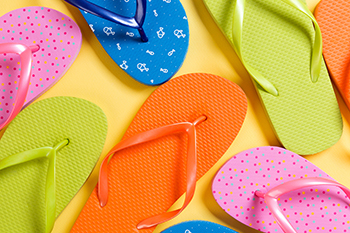
Flip-flops are popular summer footwear, offering ease and comfort on hot days. However, while they may be the preferred choice for many, it is essential to understand how they can affect your feet. The primary concern with flip-flops is their lack of support. They typically offer minimal arch support, and the thin sole provides little cushioning. This can lead to overuse injuries such as plantar fasciitis and Achilles tendonitis, as well as discomfort and fatigue during extended wear. Many flip-flops also have a lack of protection. Flip-flops expose your feet to hazards such as sharp objects, extreme heat, or slippery surfaces. This can result in cuts, burns, or accidents. Additionally, flip-flops often require a gripping motion of the toes to keep them in place, potentially leading to strain or imbalance in the foot's muscles. While flip-flops are perfect for short, casual outings, they should not be your primary footwear choice for long walks or activities that demand proper foot support and protection. Choosing shoes with better arch support and cushioning can help safeguard your feet against potential discomfort and injuries. If you would like more information about the negative effect wearing flip-flops can have on your feet, it is suggested that you speak with a podiatrist.
Flip-flops are not always the best choice of footwear. If you have any concerns about your feet or ankles, contact Dr. Michael A. Wood from Foot Health Institute. Our doctor will assist you with all of your foot and ankle needs.
Flip-Flops and Feet
When the weather starts warming up, people enjoy wearing flip-flops. Flip-flops are comfortable, stylish, and easy to slip on and off; they're perfect for any summer beach goer. However, these shoes can cause harm to the feet.
How Can Flip-Flops Affect Me Long-Term?
- Ankle problems
- Hip problems
- Lower back problems
- Pain in the balls of the feet
- Problems with foot arches
- Changes in the way you walk
Are There Injuries Associated with Flip-Flops?
Yes. Since flip-flops are relatively weak and do not provide the same amount of support as sneakers, people who wear flip-flops regularly are more susceptible to injuries. On top of that, the open nature of the shoe makes your feet more prone to other problems, such as cuts and even infections. Common injuries and ailments include:
- Sprained ankles
- Blisters
- Infections
- Cuts and Scrapes
I like Wearing Flip-Flops. Are There Safe Alternatives?
When buying flip-flops, try to find ones that have sturdy soles and that are made of high-quality materials that will support for your feet. These flip-flops will cost more but will also last longer as a result.
If you have any questions please feel free to contact one of our offices located in Lansing, and Chicago, IL . We offer the newest diagnostic and treatment technologies for all your foot and ankle needs.
It's Time for Beautiful Feet

You don't need an excuse to have beautiful nails. Step outside without worrying about the appearance of your feet.
