Items filtered by date: April 2022
Foot Corn Treatment
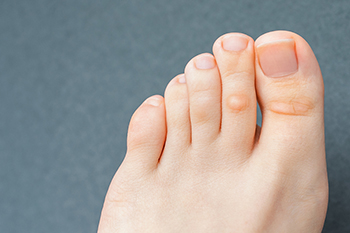
A foot corn is a hardened layer of skin that develops on the foot due to friction or pressure. Foot corns can develop below the toenail bed, between toes, or on the sides and bottom of the feet. Most often, corns develop from snug shoes and/or socks and become aggravated from prolonged periods of standing or walking, body weight, and continual friction, causing them to become painful. If you suspect you have a corn on your foot your first action should be to change footwear to those that fit properly. You can try to soften a corn by carefully soaking the affected foot in warm water with Epsom salts, drying the foot thoroughly, and moisturizing it daily. Once softened, you can try to gently rub the corn on the bottom of the foot with a pumice stone. Using an emery board, if the corn is located between the toes, you can apply a vegetable-based oil and cover it with a corn pad that can be obtained from a drug store. Continue this treatment for a couple of weeks. However, if there is pain associated with home treatment or the corn persists or worsens, it is suggested that you seek guidance from a qualified podiatrist to assist in treating the corn.
Corns can make walking very painful and should be treated immediately. If you have questions regarding your feet and ankles, contact Dr. Michael A. Wood of Foot Health Institute. Our doctor will treat your foot and ankle needs.
Corns: What Are They? And How Do You Get Rid of Them?
Corns are thickened areas on the skin that can become painful. They are caused by excessive pressure and friction on the skin. Corns press into the deeper layers of the skin and are usually round in shape.
Ways to Prevent Corns
There are many ways to get rid of painful corns such as:
- Wearing properly fitting shoes that have been measured by a professional
- Wearing shoes that are not sharply pointed or have high heels
- Wearing only shoes that offer support
Treating Corns
Although most corns slowly disappear when the friction or pressure stops, this isn’t always the case. Consult with your podiatrist to determine the best treatment option for your case of corns.
If you have any questions please feel free to contact one of our offices located in Lansing, and Chicago, IL . We offer the newest diagnostic and treatment technologies for all your foot and ankle needs.
Why Your Ankle May Hurt Without an Injury
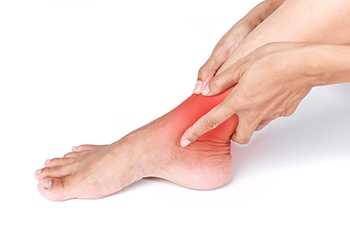
Ankle pain that is sudden, and not due to an injury, may be caused by any number of causes, including certain arthritic conditions. Rheumatoid arthritis and osteoarthritis can sometimes negatively affect the tissue and cartilage (respectively) in ankles, causing pain and swelling. Similar symptoms can be present when reactive arthritis affects the ankle. This is a condition which is triggered by a bacterial infection elsewhere in the body. Gout is another type of arthritis in which excessive amounts of uric acid crystalize on joints. Gout usually affects the big toe, but it can also affect the ankle. Another disease that sometimes affects the ankle joint causing stiffness, pain and swelling is scleroderma. Bursitis is a condition in which the cushioning bursa sac at the back of the ankle becomes inflamed from stress or overuse and produces pain and inflammation. If you rupture or tear the tendon that connects your calf muscle with your heel (Achilles tendon), you can develop a condition known as Achilles tendonitis. These are just a few of the conditions that may cause ankle pain without injury. Whatever the cause, it is important to have your ankle pain properly diagnosed in order to receive the proper treatment. Call a podiatrist if you are experiencing any pain in your ankle.
Ankle pain can be caused by a number of problems and may be potentially serious. If you have ankle pain, consult with Dr. Michael A. Wood from Foot Health Institute. Our doctor will assess your condition and provide you with quality foot and ankle treatment.
Ankle pain is any condition that causes pain in the ankle. Due to the fact that the ankle consists of tendons, muscles, bones, and ligaments, ankle pain can come from a number of different conditions.
Causes
The most common causes of ankle pain include:
- Types of arthritis (rheumatoid, osteoarthritis, and gout)
- Ankle sprains
- Broken ankles
- Achilles tendonitis
- Achilles tendon rupture
- Stress fractures
- Bursitis
- Tarsal tunnel syndrome
- Plantar fasciitis
Symptoms
Symptoms of ankle injury vary based upon the condition. Pain may include general pain and discomfort, swelling, aching, redness, bruising, burning or stabbing sensations, and/or loss of sensation.
Diagnosis
Due to the wide variety of potential causes of ankle pain, podiatrists will utilize a number of different methods to properly diagnose ankle pain. This can include asking for personal and family medical histories and of any recent injuries. Further diagnosis may include sensation tests, a physical examination, and potentially x-rays or other imaging tests.
Treatment
Just as the range of causes varies widely, so do treatments. Some more common treatments are rest, ice packs, keeping pressure off the foot, orthotics and braces, medication for inflammation and pain, and surgery.
If you have any questions, please feel free to contact one of our offices located in Lansing, and Chicago, IL . We offer the newest diagnostic and treatment technologies for all your foot care needs.
Foot Problems and Falling as We Age
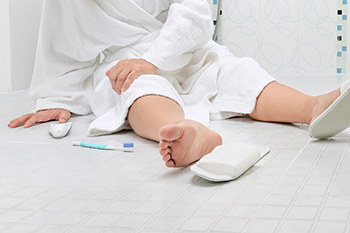 Foot problems can lead to pain, swelling, numbness and tingling of feet. These symptoms can come from blisters, bunions, heel spurs, diabetes complications, hammertoes, and the like. Regardless of the cause, foot problems can impact balance and gait and contribute to falls. The elderly population is more vulnerable when it comes to foot problems and resultant falls. Simple walking impacts bones, joints, muscles, ligaments, and tendons and the longer we live, the more wear and tear on feet. As we age, padding on the bottom of the feet wears off, arches become flatter and less flexible, and ankles and joints become stiff. Feet even become wider and longer as we age. Pre-existing physical conditions impacting feet and ankles, like heart and vascular disease and kidney disease, puts one at greater risk for foot problems as well. All these natural changes can lead to foot pain and problems, such as arthritis and gout and increase the propensity for falling. Proper care of feet and regular exercise, with a focus on lower body strengthening, are important as we grow older. Regular consultation with a podiatrist can help one maintain foot health and prevent complications leading to falls as we age.
Preventing falls among the elderly is very important. If you are older and have fallen or fear that you are prone to falling, consult with Dr. Michael A. Wood from Foot Health Institute. Our doctor will assess your condition and provide you with quality advice and care.
Every 11 seconds, an elderly American is being treated in an emergency room for a fall related injury. Falls are the leading cause of head and hip injuries for those 65 and older. Due to decreases in strength, balance, senses, and lack of awareness, elderly persons are very susceptible to falling. Thankfully, there are a number of things older persons can do to prevent falls.
How to Prevent Falls
Some effective methods that older persons can do to prevent falls include:
- Enrolling in strength and balance exercise program to increase balance and strength
- Periodically having your sight and hearing checked
- Discuss any medications you have with a doctor to see if it increases the risk of falling
- Clearing the house of falling hazards and installing devices like grab bars and railings
- Utilizing a walker or cane
- Wearing shoes that provide good support and cushioning
- Talking to family members about falling and increasing awareness
Falling can be a traumatic and embarrassing experience for elderly persons; this can make them less willing to leave the house, and less willing to talk to someone about their fears of falling. Doing such things, however, will increase the likelihood of tripping or losing one’s balance. Knowing the causes of falling and how to prevent them is the best way to mitigate the risk of serious injury.
If you have any questions, please feel free to contact one of our offices located in Lansing, and Chicago, IL . We offer the newest diagnostic and treatment technologies for all your foot care needs.
Gout Pain Can Be Managed
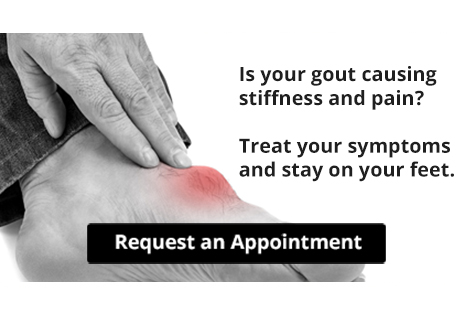
Gout is a painful, inflammatory form of arthritis. Those affected will typically feel an intense stiffness in the joints of their feet, particularly in the big toe. Schedule a visit to learn about how gout can be managed and treated.
Effective Foot Care Measures
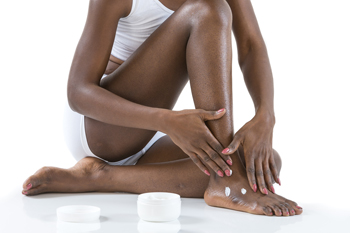 Approximately one quarter of the bones in the body are located in the feet. Because of this, the importance of practicing everyday foot care is essential in maintaining healthy feet. The muscles and joints act like levers and pulleys, and are responsible for moving the feet side to side, and up and down. It is common for our feet to become worn out as the aging process occurs, and this can lead to developing specific foot conditions. There are several methods of practicing good foot hygiene. These can include washing and drying the feet daily, having gentle foot massages, and wearing shoes that fit correctly. Additionally, stretching the feet after sitting for a long period of time may help circulation. If you would like more information about methods and tips on everyday foot care, please speak with a podiatrist.
Everyday foot care is very important to prevent infection and other foot ailments. If you need your feet checked, contact Dr. Michael A. Wood from Foot Health Institute. Our doctor can provide the care you need to keep you pain-free and on your feet.
Everyday Foot Care
Often, people take care of their bodies, face and hair more so than they do for their feet. But the feet are a very important aspect of our bodies, and one that we should pay more attention to. Without our feet, we would not be able to perform most daily tasks.
It is best to check your feet regularly to make sure there are no new bruises or cuts that you may not have noticed before. For dry feet, moisturizer can easily be a remedy and can be applied as often as necessary to the affected areas. Wearing shoes that fit well can also help you maintain good foot health, as well as making it easier to walk and do daily activities without the stress or pain of ill-fitting shoes, high heels, or even flip flops. Wearing clean socks with closed shoes is important to ensure that sweat and bacteria do not accumulate within the shoe. Clean socks help to prevent Athlete’s foot, fungi problems, bad odors, and can absorb sweat.
If you have any questions please feel free to contact one of our offices located in Lansing, and Chicago, IL . We offer the newest diagnostic and treatment technologies for all your foot and ankle needs.
