Items filtered by date: February 2022
What Is Cellulitis?
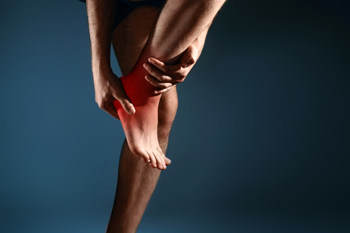 Cellulitis is a bacterial infection of the deeper layers of the skin. It can affect any part of the body, but is most frequently seen in the feet. Cellulitis can be contracted by bacteria entering a wound, cut, scrape, or other small openings in the skin. Symptoms of this condition include red, swollen, warm, tender, and painful skin, changes in the texture of the skin (pitting) and blisters. A fever and chills can also accompany this infection. Cellulitis is treated with antibiotics and resting and elevating the affected foot to reduce swelling. Left untreated, cellulitis can cause grave complications. If you notice signs of infection in your feet, please seek the care of a podiatrist as soon as possible.
Foot Pain
Foot pain can be extremely painful and debilitating. If you have a foot pain, consult with Dr. Michael A. Wood from Foot Health Institute. Our doctor will assess your condition and provide you with quality foot and ankle treatment.
Causes
Foot pain is a very broad condition that could be caused by one or more ailments. The most common include:
- Bunions
- Hammertoes
- Plantar Fasciitis
- Bone Spurs
- Corns
- Tarsal Tunnel Syndrome
- Ingrown Toenails
- Arthritis (such as Gout, Rheumatoid, and Osteoarthritis)
- Flat Feet
- Injury (from stress fractures, broken toe, foot, ankle, Achilles tendon ruptures, and sprains)
- And more
Diagnosis
To figure out the cause of foot pain, podiatrists utilize several different methods. This can range from simple visual inspections and sensation tests to X-rays and MRI scans. Prior medical history, family medical history, and any recent physical traumatic events will all be taken into consideration for a proper diagnosis.
Treatment
Treatment depends upon the cause of the foot pain. Whether it is resting, staying off the foot, or having surgery; podiatrists have a number of treatment options available for foot pain.
If you have any questions, please feel free to contact one of our offices located in Lansing, and Chicago, IL . We offer the newest diagnostic and treatment technologies for all your foot care needs.
Kidney Health and Foot Ulcers
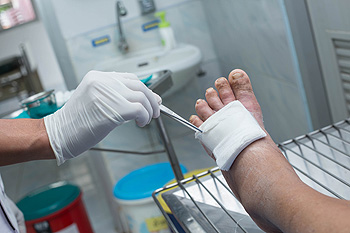 It may seem strange to mention kidneys and feet in the same sentence, but the health of your kidneys can actually impact your foot health. When someone is afflicted with kidney disease, all systems in the body can suffer. This includes the circulatory system, which is responsible for transporting blood throughout the body, and the nervous system, which sends and receives messages between various parts of the body and the brain. People with kidney disease often have poor circulation in their lower limbs and nerve damage along the nerves that supply the feet. This results in an increased likelihood of developing foot ulcers, which are poorly healing wounds on the feet that can become infected. If you have kidney disease, a podiatrist can help you manage the health of your feet to prevent any foot-related complications.
When dealing with systemic disease of the feet, it is extremely important to check the affected areas routinely so that any additional problems are caught quickly. If you have any concerns about your feet and ankles contact Dr. Michael A. Wood from Foot Health Institute. Our doctor will assist you with all of your podiatric needs.
Systemic Diseases of the Feet
Systemic diseases affect the whole body, and symptoms usually are displayed in the feet. This condition can make a patient’s ability to walk unbearable. Systemic diseases include gout, diabetes mellitus, neurological disorders, and arthritis.
Gout – is caused by an excess of uric acid in the body. Common symptoms include pain, inflammation, and redness at the metatarsal/phalangeal joint of the base big toe. Gout can be treated by NSAIDs to relieve pain and inflammation, and other drugs that lower the acid levels in the body.
Diabetes mellitus – is an increase in the level of blood sugar that the body cannot counteract with its own insulin. Failure to produce enough insulin is a factor in Diabetes.
Diabetes of the Feet
Diabetic Neuropathy – may lead to damaged nerves and affect the feet through numbness and loss of sensation.
Peripheral Vascular Disease – can restrict the blood flow to the feet, and often times lead to amputation of the feet.
If you have any questions please feel free to contact one of our offices located in Lansing, and Chicago, IL . We offer the newest diagnostic and treatment technologies for all your foot and ankle needs.
Modifications to Help Workers Who Stand All Day

If performing your job duties requires you to stand on a regular basis, you are more at risk of developing painful problems in your feet and legs, as well as other parts of your body. These problems can lead to and exacerbate chronic disorders and decreased mobility. If possible, certain modifications should be made in your workstation that can provide you with more flexibility and the ability to take a variety of body positions throughout the day. Included are adjustable worktables and benches, footrest/rails, ergonomically positioned controls and tools, and anti-fatigue mats. A seat should also be nearby to allow periods of rest whenever possible. Proper footwear is critical to the standing worker’s comfort and safety as well. Features of a good working shoe include a proper fit, sturdy support in the heel, plenty of room in the toes, a specific heel height that is not too low or high, a straight inner side from heel to toe, and shock-absorbing insoles. A podiatrist can provide more details on fit and style and can also create custom orthotics to improve body alignment and gait.
While working on the feet, it is important to take the proper care of them. For more information about working on your feet, contact Dr. Michael A. Wood from Foot Health Institute. Our doctor will treat your foot and ankle needs.
Working on Your Feet
Standing on your feet for long periods of time can cause stress and pain in your feet. Your whole body may experience change in terms of posture, back pain, bunions, callouses and or plantar warts. There are ways to avoid these conditions with proper foot care, smart choices and correct posture.
Positive Changes
Negative heeled shoe – Choosing this shoe type places the heel slightly lower than the ball of the foot. These are great for overall foot health. Find shoes that fit you correctly.
Go barefoot – Our feet were not designed to be enclosed for all hours of the day. Try to periodically expose your feet to air.
Eliminate Pain
Foot Exercises – Performing simple exercises, incorporating yoga and doing stretches are beneficial. This will allow increased blood flow to the area and muscles of the foot.
Achilles tendon – Stretching the foot out flat on the floor will relax the calf muscles and tendon. These exercises can be performed almost anywhere. Make sure you add these exercises to your daily regimen.
With a little bit of this information and knowing more about foot health, you will notice changes. Foot stretches and proper footwear will help with pain and prevent further issues.
If you have any questions please feel free to contact one of our offices located in Lansing, and Chicago, IL . We offer the newest diagnostic and treatment technologies for all your foot and ankle needs.
Are You Suffering From Ingrown Toenails?

If left untreated, an ingrown toenail can lead to more serious concerns, such as an infection. Knowing proper nail care can help in the prevention of an ingrown toenail. Give us a call, and get treated!
Everything You Wanted to Know About Ingrown Toenails
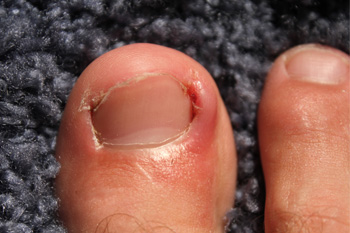
An ingrown toenail occurs when the nail grows into the surrounding skin on the sides of the nail. This condition can affect people of all ages (even babies). Ingrown toenails can be quite painful and may even become inflamed and infected. Rounding your toenails off when trimming them (rather than cutting them straight across) or cutting them too short can lead to an ingrown toenail. Wearing high heels and improperly fitted shoes that force the toes to squish together can also lead to ingrown toenails. Other possible contributing factors to ingrown toenails include injuries to the toenail, fungal toenail infections, nail deformity, and certain medications which can sometimes cause nail dystrophy. If you develop an ingrown toenail, make an appointment with a podiatrist who can treat your ingrown toenail with a variety of methods, while avoiding possible infection and preventing it from becoming ingrown again.
Ingrown toenails can become painful if they are not treated properly. For more information about ingrown toenails, contact Dr. Michael A. Wood of Foot Health Institute. Our doctor can provide the care you need to keep you pain-free and on your feet.
Ingrown Toenails
Ingrown toenails occur when a toenail grows sideways into the bed of the nail, causing pain, swelling, and possibly infection.
Causes
- Bacterial infections
- Improper nail cutting such as cutting it too short or not straight across
- Trauma to the toe, such as stubbing, which causes the nail to grow back irregularly
- Ill-fitting shoes that bunch the toes too close together
- Genetic predisposition
Prevention
Because ingrown toenails are not something found outside of shoe-wearing cultures, going barefoot as often as possible will decrease the likeliness of developing ingrown toenails. Wearing proper fitting shoes and using proper cutting techniques will also help decrease your risk of developing ingrown toenails.
Treatment
Ingrown toenails are a very treatable foot condition. In minor cases, soaking the affected area in salt or antibacterial soaps will not only help with the ingrown nail itself, but also help prevent any infections from occurring. In more severe cases, surgery is an option. In either case, speaking to your podiatrist about this condition will help you get a better understanding of specific treatment options that are right for you.
If you have any questions please feel free to contact one of our offices located in Lansing, and Chicago, IL . We offer the newest diagnostic and treatment technologies for all your foot and ankle needs.
