Items filtered by date: July 2020
How to Prevent Athlete’s Foot
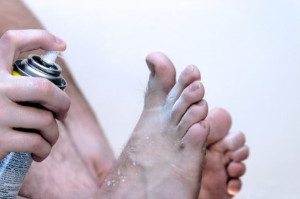
Athlete’s Foot is a common fungal infection of the foot. The fungus that causes athlete’s foot, known as the tinea fungus, thrives in dark, warm, moist environments. This makes areas that are often tightly covered and sweaty, like your feet, a perfect breeding ground for tinea fungus. To prevent athlete’s foot, it’s important to keep your feet as dry as you can. Avoiding wearing tightly-fitted shoes, which can trap moisture, and frequently changing your socks can also help in the prevention of athlete’s foot. If possible, wear open-toed sandals, which will allow more air to circulate to your feet and decrease sweating. Open-toed sandals also have the added benefit of exposing your feet to sunlight, which helps slow the growth of the fungus. If you suspect that you may have athlete’s foot, consult with a podiatrist who can diagnose and treat the problem.
Athlete’s Foot
Athlete’s foot is often an uncomfortable condition to experience. Thankfully, podiatrists specialize in treating athlete’s foot and offer the best treatment options. If you have any questions about athlete’s foot, consult with Dr. Michael A. Wood from Foot Health Institute. Our doctor will assess your condition and provide you with quality treatment.
What Is Athlete’s Foot?
Tinea pedis, more commonly known as athlete’s foot, is a non-serious and common fungal infection of the foot. Athlete’s foot is contagious and can be contracted by touching someone who has it or infected surfaces. The most common places contaminated by it are public showers, locker rooms, and swimming pools. Once contracted, it grows on feet that are left inside moist, dark, and warm shoes and socks.
Prevention
The most effective ways to prevent athlete’s foot include:
- Thoroughly washing and drying feet
- Avoid going barefoot in locker rooms and public showers
- Using shower shoes in public showers
- Wearing socks that allow the feet to breathe
- Changing socks and shoes frequently if you sweat a lot
Symptoms
Athlete’s foot initially occurs as a rash between the toes. However, if left undiagnosed, it can spread to the sides and bottom of the feet, toenails, and if touched by hand, the hands themselves. Symptoms include:
- Redness
- Burning
- Itching
- Scaly and peeling skin
Diagnosis and Treatment
Diagnosis is quick and easy. Skin samples will be taken and either viewed under a microscope or sent to a lab for testing. Sometimes, a podiatrist can diagnose it based on simply looking at it. Once confirmed, treatment options include oral and topical antifungal medications.
If you have any questions, please feel free to contact one of our offices located in Lansing, and Chicago, IL . We offer the newest diagnostic and treatment technologies for all your foot care needs.
Heel Pain and Plantar Fasciitis
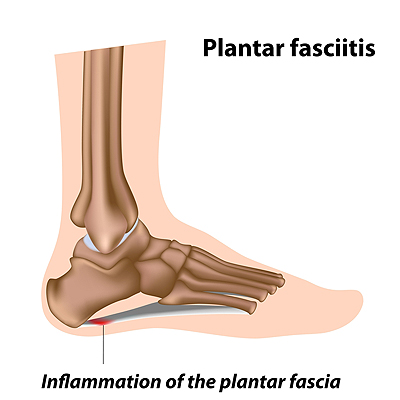 The plantar fascia is located on the sole of the foot, and its function is to connect the heel to the toes. The chronic foot condition that is known as plantar fasciitis can develop from wearing shoes that do not fit correctly, or from standing on hard surfaces for the majority of the day. This may cause the plantar fascia to become inflamed. A common symptom that patients often notice is severe heel pain that may be more pronounced in the morning after arising. An effective prevention technique can be stretching the calf muscles. This can be practiced by standing on a step, and gently lowering one heel at a time. Additionally, it may help to roll the affected foot on a tennis ball, and this may help to stretch the heel. If you are experiencing heel pain, it may be indicative of plantar fasciitis, and it is advised that you seek the counsel of a podiatrist.
Plantar fasciitis is a common foot condition that is often caused by a strain injury. If you are experiencing heel pain or symptoms of plantar fasciitis, contact Dr. Michael A. Wood from Foot Health Institute. Our doctor can provide the care you need to keep you pain-free and on your feet.
What Is Plantar Fasciitis?
Plantar fasciitis is one of the most common causes of heel pain. The plantar fascia is a ligament that connects your heel to the front of your foot. When this ligament becomes inflamed, plantar fasciitis is the result. If you have plantar fasciitis you will have a stabbing pain that usually occurs with your first steps in the morning. As the day progresses and you walk around more, this pain will start to disappear, but it will return after long periods of standing or sitting.
What Causes Plantar Fasciitis?
- Excessive running
- Having high arches in your feet
- Other foot issues such as flat feet
- Pregnancy (due to the sudden weight gain)
- Being on your feet very often
There are some risk factors that may make you more likely to develop plantar fasciitis compared to others. The condition most commonly affects adults between the ages of 40 and 60. It also tends to affect people who are obese because the extra pounds result in extra stress being placed on the plantar fascia.
Prevention
- Take good care of your feet – Wear shoes that have good arch support and heel cushioning.
- Maintain a healthy weight
- If you are a runner, alternate running with other sports that won’t cause heel pain
There are a variety of treatment options available for plantar fasciitis along with the pain that accompanies it. Additionally, physical therapy is a very important component in the treatment process. It is important that you meet with your podiatrist to determine which treatment option is best for you.
If you have any questions, please feel free to contact one of our offices located in Lansing, and Chicago, IL . We offer the newest diagnostic and treatment technologies for all your foot care needs.
Arthritis Can Cause Pain in the Feet and Ankles

If you are suffering from tenderness, pain, or stiffness in the joints of your feet or ankles, call us to schedule an appointment.
Tired and Achy Feet
 Sore, tired and achy feet can slow anyone down. Not only do tired and achy feet keep you from feeling and performing your best, it may also be an indication to a more serious foot condition. This is a common problem for those who have flat feet or high arched feet, people who work on their feet for extended periods of time, and individuals who are overweight. Ultimately, when the foot muscles are not properly supported the foot muscles become overworked, therefore wearing proper footwear becomes essential. Supportive and comfortable fitting shoes are key to helping you cope with tired and achy feet. If you have become frustrated due to your tired and achy feet, it is important that you consult with a podiatrist. Orthotics may be recommended to provide adequate support for the feet, and a podiatrist can verify if any other foot conditions have developed and treat them accordingly.
Foot Pain
Foot pain can be extremely painful and debilitating. If you have a foot pain, consult with Dr. Michael A. Wood from Foot Health Institute. Our doctor will assess your condition and provide you with quality foot and ankle treatment.
Causes
Foot pain is a very broad condition that could be caused by one or more ailments. The most common include:
- Bunions
- Hammertoes
- Plantar Fasciitis
- Bone Spurs
- Corns
- Tarsal Tunnel Syndrome
- Ingrown Toenails
- Arthritis (such as Gout, Rheumatoid, and Osteoarthritis)
- Flat Feet
- Injury (from stress fractures, broken toe, foot, ankle, Achilles tendon ruptures, and sprains)
- And more
Diagnosis
To figure out the cause of foot pain, podiatrists utilize several different methods. This can range from simple visual inspections and sensation tests to X-rays and MRI scans. Prior medical history, family medical history, and any recent physical traumatic events will all be taken into consideration for a proper diagnosis.
Treatment
Treatment depends upon the cause of the foot pain. Whether it is resting, staying off the foot, or having surgery; podiatrists have a number of treatment options available for foot pain.
If you have any questions, please feel free to contact one of our offices located in Lansing, and Chicago, IL . We offer the newest diagnostic and treatment technologies for all your foot care needs.
Conditions That May Affect Your Child’s Feet
There are many children that experience foot conditions during their childhood and teenage years. The ankle may become weak from frequently participating in running and jumping activities, and this may result in ankle sprains. This typically causes difficulty in walking, and mild relief may be felt when the affected foot is elevated and wrapped with an elastic bandage. Older teens may develop a condition known as athlete’s foot. This is caused by a fungus that lives in warm environments, and can thrive in moist socks and sneakers. Active children may develop blisters on their feet. This is often caused by excess friction that can come from wearing shoes that do not fit correctly. If you would like additional information about foot conditions your child may have developed, it is advised that you speak to a podiatrist.
Making sure that your children maintain good foot health is very important as they grow. If you have any questions, contact Dr. Michael A. Wood of Foot Health Institute. Our doctor can provide the care you need to keep you pain-free and on your feet.
Keeping Children's Feet Healthy
Having healthy feet during childhood can help prevent medical problems later in life, namely in the back and legs. As children grow, their feet require different types of care. Here are some things to consider...
Although babies do not walk yet, it is still very important to take care of their feet.
Avoid putting tight shoes or socks on his or her feet.
Allow the baby to stretch and kick his or her feet to feel comfortable.
As a toddler, kids are now on the move and begin to develop differently. At this age, toddlers are getting a feel for walking, so don’t be alarmed if your toddler is unsteady or ‘walks funny’.
As your child gets older, it is important to teach them how to take care of their feet.
Show them proper hygiene to prevent infections such as fungus.
Be watchful for any pain or injury.
Have all injuries checked by a doctor as soon as possible.
Comfortable, protective shoes should always be worn, especially at play.
If you have any questions please feel free to contact one of our offices located in Lansing, and Chicago, IL . We offer the newest diagnostic and treatment technologies for all your foot and ankle needs.
