Items filtered by date: April 2021
What Are the Signs of Flat Feet?
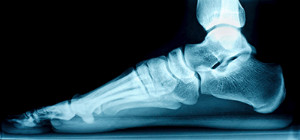 Flat feet are a common condition in which the feet lack a visible arch in the sole when weight is placed on them. There are several telltale signs of flat feet. The first is overpronation, an abnormal gait in which your feet roll inwards when you walk. If you have an overpronated gait, you may notice that the soles of your shoes wear more quickly along the inner border. Other signs of flat feet include having feet that point slightly outward when you walk or stand, pain in the joints of your lower limbs, hips, and lower back, and pain in the arch of the foot. If you are experiencing discomfort due to flat feet, please see a podiatrist for treatment.
Flatfoot is a condition many people suffer from. If you have flat feet, contact Dr. Michael A. Wood from Foot Health Institute. Our doctor will treat your foot and ankle needs.
What Are Flat Feet?
Flatfoot is a condition in which the arch of the foot is depressed and the sole of the foot is almost completely in contact with the ground. About 20-30% of the population generally has flat feet because their arches never formed during growth.
Conditions & Problems:
Having flat feet makes it difficult to run or walk because of the stress placed on the ankles.
Alignment – The general alignment of your legs can be disrupted, because the ankles move inward which can cause major discomfort.
Knees – If you have complications with your knees, flat feet can be a contributor to arthritis in that area.
Symptoms
- Pain around the heel or arch area
- Trouble standing on the tip toe
- Swelling around the inside of the ankle
- Flat look to one or both feet
- Having your shoes feel uneven when worn
Treatment
If you are experiencing pain and stress on the foot you may weaken the posterior tibial tendon, which runs around the inside of the ankle.
If you have any questions please feel free to contact one of our offices located in Lansing, and Chicago, IL . We offer the newest diagnostic and treatment technologies for all your foot and ankle needs.
Handling Bunions
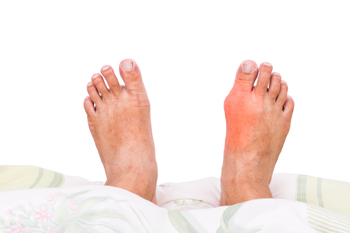
Bunions are bony bumps that grow on the outer edges of the big toe, at the base of the big toe joint. Bunions can deform the toes, causing them to become misaligned and painful. Fortunately, there are steps that you can take at home to reduce bunion pain. Wearing the right shoes is of the utmost importance when it comes to managing bunions. Look for shoes that have a wide toe box, low or no high heels, and are comfortable, well-fitting, and supportive. Additionally, wearing a splint at night can help keep your big toes in alignment and reduce discomfort. Strengthen your toes by stretching them regularly. Taking over-the-counter pain medications can help reduce pain and inflammation around the bunion. If you have bunions, it is suggested that you see a podiatrist for treatment.
If you are suffering from bunions, contact Dr. Michael A. Wood of Foot Health Institute. Our doctor can provide the care you need to keep you pain-free and on your feet.
What Is a Bunion?
A bunion is formed of swollen tissue or an enlargement of boney growth, usually located at the base joint of the toe that connects to the foot. The swelling occurs due to the bones in the big toe shifting inward, which impacts the other toes of the foot. This causes the area around the base of the big toe to become inflamed and painful.
Why Do Bunions Form?
Genetics – Susceptibility to bunions are often hereditary
Stress on the feet – Poorly fitted and uncomfortable footwear that places stress on feet, such as heels, can worsen existing bunions
How Are Bunions Diagnosed?
Doctors often perform two tests – blood tests and x-rays – when trying to diagnose bunions, especially in the early stages of development. Blood tests help determine if the foot pain is being caused by something else, such as arthritis, while x-rays provide a clear picture of your bone structure to your doctor.
How Are Bunions Treated?
- Refrain from wearing heels or similar shoes that cause discomfort
- Select wider shoes that can provide more comfort and reduce pain
- Anti-inflammatory and pain management drugs
- Orthotics or foot inserts
- Surgery
If you have any questions, please feel free to contact one of our offices located in Lansing, and Chicago, IL . We offer the newest diagnostic and treatment technologies for all your foot care needs.
Are Bunions Affecting Your Everyday Life?
Have you noticed a bony protrusion on the side of your big toe? If so, you may have developed the foot condition known as a bunion. Don't let bunions interfere with your daily activities.
Where Is the Pain From Plantar Fasciitis Felt?
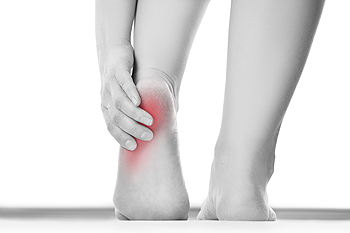 A common foot condition that can cause severe pain and discomfort is known as plantar fasciitis. It is an ailment that affects the plantar fascia, which is a band of tissue that connects the heel to the toes. Additionally, the plantar fascia supports the arch of the foot, and is designed to absorb daily foot strain. Plantar fasciitis can gradually develop as a result of wearing shoes that have minimal support, or from standing on hard surfaces for the majority of the day. Many patients experience heel pain that may be more prominent in the morning after arising. If you suffer from pain on the bottom of the foot, it is strongly suggested that you are under the care of a podiatrist who can effectively diagnose and treat plantar fasciitis.
Plantar fasciitis can be very painful and inconvenient. If you are experiencing heel pain or symptoms of plantar fasciitis, contact Dr. Michael A. Wood from Foot Health Institute. Our doctor can provide the care you need to keep you pain-free and on your feet.
What Is Plantar Fasciitis?
Plantar fasciitis is the inflammation of the thick band of tissue that runs along the bottom of your foot, known as the plantar fascia, and causes mild to severe heel pain.
What Causes Plantar Fasciitis?
- Excessive running
- Non-supportive shoes
- Overpronation
- Repeated stretching and tearing of the plantar fascia
How Can It Be Treated?
- Conservative measures – anti-inflammatories, ice packs, stretching exercises, physical therapy, orthotic devices
- Shockwave therapy – sound waves are sent to the affected area to facilitate healing and are usually used for chronic cases of plantar fasciitis
- Surgery – usually only used as a last resort when all else fails. The plantar fascia can be surgically detached from the heel
While very treatable, plantar fasciitis is definitely not something that should be ignored. Especially in severe cases, speaking to your doctor right away is highly recommended to avoid complications and severe heel pain. Your podiatrist can work with you to provide the appropriate treatment options tailored to your condition.
If you have any questions please feel free to contact one of our offices located in Lansing, and Chicago, IL . We offer the newest diagnostic and treatment technologies for all your foot and ankle needs.
Being Sensible About Non-Sensible Shoes
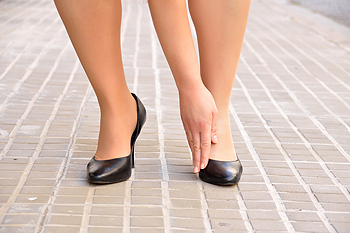
High heels look great and can make legs look longer and more attractive. However, wearing them every day, year after year, can be painful and even damaging—causing problems such as weakened ankles, bunions, hammertoe, plantar fasciitis, and Morton’s neuroma. However, there are sensible steps you can take to lessen the impact high-heeled shoes have on your feet and overall health. These steps can include doing exercises that strengthen your arch and ankle muscles, limiting heel height to three inches, and alternating between flats and heels. To keep your feet healthy, consult with a podiatrist who may be able to offer additional tips, create custom orthotics for your shoes to provide adequate support and weight distribution, or even treat any issues that may have already begun to develop due to high heels.
High heels have a history of causing foot and ankle problems. If you have any concerns about your feet or ankles, contact Dr. Michael A. Wood from Foot Health Institute. Our doctor can provide the care you need to keep you pain-free and on your feet.
Effects of High Heels on the Feet
High heels are popular shoes among women because of their many styles and societal appeal. Despite this, high heels can still cause many health problems if worn too frequently.
Which Parts of My Body Will Be Affected by High Heels?
- Ankle Joints
- Achilles Tendon – May shorten and stiffen with prolonged wear
- Balls of the Feet
- Knees – Heels cause the knees to bend constantly, creating stress on them
- Back – They decrease the spine’s ability to absorb shock, which may lead to back pain. The vertebrae of the lower back may compress.
What Kinds of Foot Problems Can Develop from Wearing High Heels?
- Corns
- Calluses
- Hammertoe
- Bunions
- Morton’s Neuroma
- Plantar Fasciitis
How Can I Still Wear High Heels and Maintain Foot Health?
If you want to wear high heeled shoes, make sure that you are not wearing them every day, as this will help prevent long term physical problems. Try wearing thicker heels as opposed to stilettos to distribute weight more evenly across the feet. Always make sure you are wearing the proper shoes for the right occasion, such as sneakers for exercising. If you walk to work, try carrying your heels with you and changing into them once you arrive at work. Adding inserts to your heels can help cushion your feet and absorb shock. Full foot inserts or metatarsal pads are available.
If you have any questions please feel free to contact one of our offices located in Lansing, and Chicago, IL . We offer the newest diagnostic and treatment technologies for all your foot and ankle needs.
