Obesity May Lead to Medical Conditions That Affect the Feet

Medical conditions that can affect the feet may develop as a result of being obese. These conditions include general foot pain, arthritis, heel pain, diabetes and possible skin complications. Pressure may increase on the ankles and feet, and exercising may become difficult. The feet may become wider, and larger shoes may have to be purchased. Heel pain may develop, which can indicate plantar fasciitis, which is an inflammation of the plantar fascia. This can become painful as the heel endures additional weight on a continuous basis. Diabetes is a common medical ailment which can originate from elevated blood sugar levels. Diabetes can cause nerve damage and alter the body's ability to fight infection. If you would like more information about how to manage foot conditions that can be caused by obesity, please consult with a podiatrist.

The more you weigh, the harder your feet must work to support your body. If you’re an obese individual and are concerned about your feet, contact Dr. Michael A. Wood from Foot Health Institute. Our doctor can provide the care you need to keep you pain-free and on your feet.

Obesity and Your Feet

People who are overweight are putting more pressure on their ankles, knees, and hips as well as their feet. This unfortunately can lead to variety of different issues.

Problems & Complications Stemming from Obesity

  • When the body is overweight, it tries to compensate by changing the way that it moves. An obese person may lean forward and put extra weight on the wrong part of the foot. This puts unnecessary stress on the feet.
  • Obese people are also more likely to develop type II diabetes which is a condition that causes a lot of foot problems. People with diabetes often don’t feel the cuts and sores that they may have on their feet, which can lead to more complicated and severe issues.
  • Plantar fasciitis is another foot condition that can be caused by obesity. Plantar fasciitis is an inflammation of the tissue along the bottom of the foot, which causes pain and stiffness while walking and climbing stairs.

If you have any questions please contact our office located in Lansing, IL . We offer the newest diagnostic and treatment technologies for all your foot and ankle needs.

Read more about Obesity and the Feet

What Does a Podiatrist Do?

A podiatrist is a medical specialist trained to diagnose and treat conditions of the foot, ankle, and lower leg. Podiatrists care for patients of all ages and offer specialties such as general podiatry, sports medicine, and pediatric foot care. Common issues include heel pain, ingrown toenails, bunions, flat feet, and sports injuries. Symptoms may include swelling, pain while walking, stiffness, or changes in foot structure or skin. Causes can range from genetics and poor footwear to overuse, injury, or underlying conditions like diabetes and arthritis. These problems may feel like dull aches, sharp pains, or persistent discomfort and can affect daily movement and quality of life. A podiatrist can perform a physical examination, order imaging if needed,  provide custom orthotics, perform minor procedures, or suggest preventive care. Pediatric podiatrists address growing feet, while sports podiatrists treat athletic injuries. If you have foot pain, it is suggested that you schedule an appointment with a podiatrist to keep your feet healthy and active.

If you are experiencing pain in the feet or ankles, don’t join the stubborn majority refusing treatment. Feel free to contact Dr. Michael A. Wood from Foot Health Institute. Our doctor can provide the care you need to keep you pain-free and on your feet.

What Is a Podiatrist?

Someone would seek the care of a podiatrist if they have suffered a foot injury or have common foot ailments such as heal spurs, bunions, arch problems, deformities, ingrown toenails, corns, foot and ankle problems, etc.

Podiatric Treatment

A podiatrist will treat the problematic areas of the feet, ankle or lower leg by prescribing the following:

  • Physical therapy
  • Drugs
  • Orthotic inserts or soles
  • Surgery on lower extremity fractures

A common podiatric procedure a podiatrist will use is a scanner or force plate which will allow the podiatrist to know the designs of orthotics. Patients are then told to follow a series of tasks to complete the treatment. The computer will scan the foot a see which areas show weight distribution and pressure points. The podiatrist will read the analysis and then determine which treatment plans are available.

If you have any questions, please feel free to contact our office located in Lansing, IL . We offer the newest diagnostic and treatment technologies for all your foot care needs.

Read more about What is a Podiatrist?

Understanding Why Children Limp

When a child begins to limp, it can be concerning for parents and caregivers. Limping may arise from something minor, such as a bruise, blister, or small cut on the foot. Sprains or strains from play or sports are also common and may lead to temporary difficulty walking. Infections like cellulitis or abscesses can cause swelling and pain, making it hard for a child to put weight on the affected foot or ankle. Structural issues, such as flat feet or leg length differences, may create an uneven gait. More serious causes include fractures or inflammatory conditions that require prompt medical attention. Because limping in children has many possible explanations, professional evaluation is important to identify the true source. If your child develops a limp that does not improve quickly, it is suggested that you see a podiatrist for proper diagnosis and appropriate treatment.

The health of a child’s feet is vital to their overall well-being. If you have any questions regarding foot health, contact Dr. Michael A. Wood of Foot Health Institute. Our doctor can provide the care you need to keep you pain-free and on your feet.

Tips for Keeping Children's Feet Healthy

  • Make sure their shoes fit properly
  • Look for any signs of in-toeing or out-toeing
  • Check to see if they have Clubfoot (condition that affects your child’s foot and ankle, twisting the heel and toes inward) which is one of the most common nonmajor birth defects.
  • Lightly cover your baby’s feet (Tight covers may keep your baby from moving their feet freely, and could prevent normal development)
  • Allow your toddler to go shoeless (Shoes can be restricting for a young child’s foot)
  • Cut toenails straight across to avoid ingrown toenails
  • Keep your child’s foot clean and dry
  • Cover cuts and scrapes. Wash any scratches with soap and water and cover them with a bandage until they’ve healed.

If you have any questions, please feel free to contact our office located in Lansing, IL . We offer the newest diagnostic and treatment technologies for all your foot care needs.

Read more about How to Care for Your Child's Feet

Ingrown Toenails Are a Small Problem That Can Become Serious

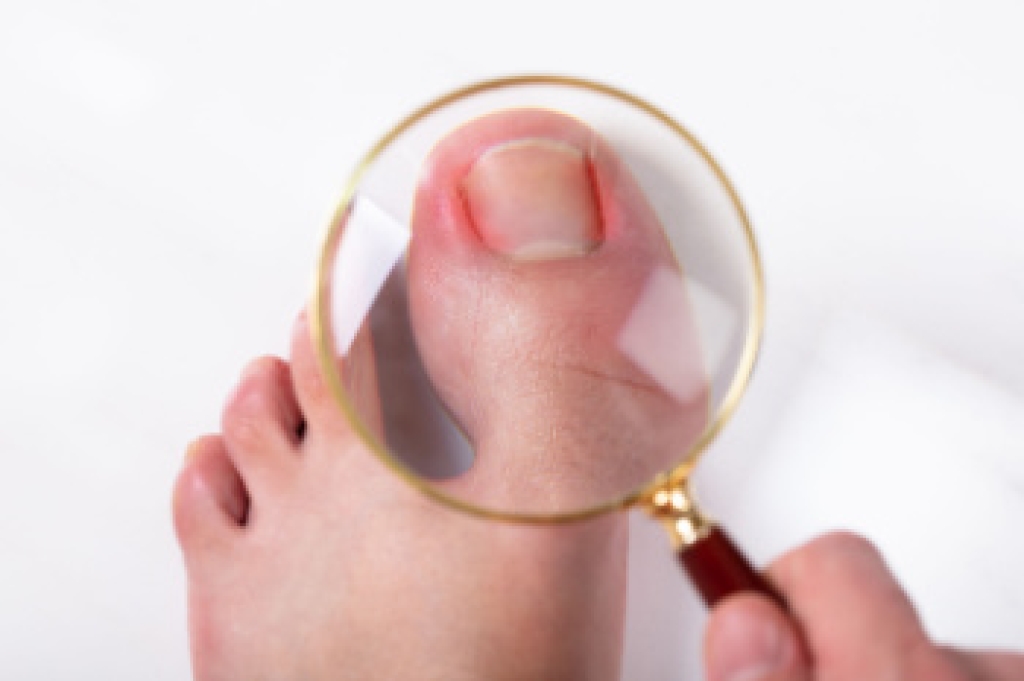
Ingrown toenails occur when the edge of a toenail grows into the surrounding skin, leading to pain, swelling, redness, and sometimes infection. The area may feel tender to the touch, appear swollen, or drain pus if an infection is present. Walking or wearing shoes can become uncomfortable. Common causes include trimming nails too short, wearing tight shoes, or having naturally curved nails. While mild cases may be managed at home, persistent or worsening symptoms require professional attention. A podiatrist can diagnose an ingrown toenail through a physical exam and determine the most effective treatment. Options include gently lifting the nail, partial nail removal, or treating any underlying infection. In severe or recurring cases, a small portion of the nail root may be removed to prevent regrowth. Prompt care can relieve pain and prevent complications. If you notice signs of an ingrown toenail, it is suggested that you make an appointment with a podiatrist.

Ingrown toenails may initially present themselves as a minor discomfort, but they may progress into an infection in the skin without proper treatment. For more information about ingrown toenails, contact Dr. Michael A. Wood of Foot Health Institute. Our doctor can provide the care you need to keep you pain-free and on your feet.

Ingrown Toenails

Ingrown toenails are caused when the corner or side of a toenail grows into the soft flesh surrounding it. They often result in redness, swelling, pain, and in some cases, infection. This condition typically affects the big toe and may recur if it is not treated properly.

Causes

  • Improper toenail trimming
  • Genetics
  • Improper shoe fitting
  • Injury from pedicures or nail picking
  • Abnormal gait
  • Poor hygiene

You are more likely to develop an ingrown toenail if you are obese, have diabetes, arthritis, or have any fungal infection in your nails. Additionally, people who have foot or toe deformities are at a higher risk of developing an ingrown toenail.

Symptoms

Some symptoms of ingrown toenails are redness, swelling, and pain. In rare cases, there may be a yellowish drainage coming from the nail.

Treatment

Ignoring an ingrown toenail can have serious complications. Infections of the nail border can progress to a deeper soft-tissue infection, which can then turn into a bone infection. You should always speak with your podiatrist if you suspect you have an ingrown toenail, especially if you have diabetes or poor circulation.

If you have any questions, please feel free to contact our office located in Lansing, IL . We offer the newest diagnostic and treatment technologies for all your foot care needs.

Read more about Ingrown Toenail Care

Wounds That Don't Heal Need to Be Checked

Your feet are covered most of the day. If you're diabetic, periodic screening is important for good health. Numbness is often a sign of diabetic foot and can mask a sore or wound.

Advanced Podiatric Procedures & Services in the Cook County, IL: Lansing, Chicago, Calumet City, South Holland, Dolton, Harvey, Phoenix, Riverdale, Burnham, Homewood, Flossmoor, Will County, IL: Monee, Steger, Crete, Beecher, Joliet areas
Request Appointment