
If left untreated, an ingrown toenail can lead to more serious concerns, such as an infection. Knowing proper nail care can help in the prevention of an ingrown toenail. Give us a call, and get treated!
If left untreated, an ingrown toenail can lead to more serious concerns, such as an infection. Knowing proper nail care can help in the prevention of an ingrown toenail. Give us a call, and get treated!
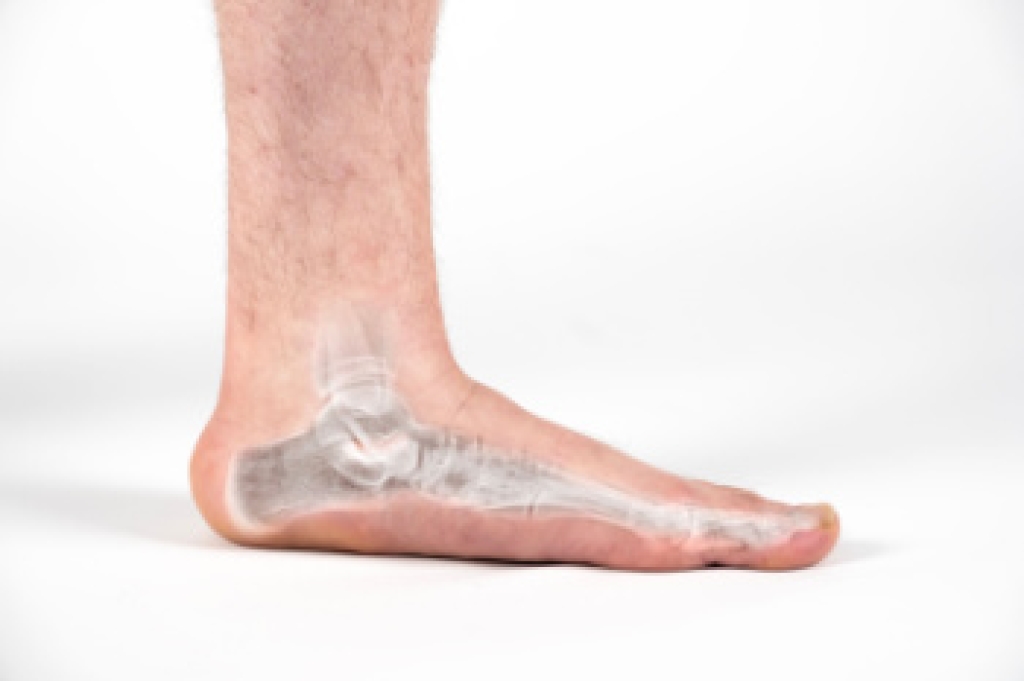
Flat feet occur when the arches of the feet are lower than usual or are not visible while standing. Many children naturally have flat feet during early development, but their arches often form as they grow. In some cases, the arches either do not develop fully or flatten later in life. While many people with flat feet have no symptoms, others may experience foot pain, fatigue, or discomfort after standing or walking for long periods of time. Some individuals also notice swelling along the inside of the ankle or changes in the way they walk. Because flat feet can affect foot function differently from person to person, a professional evaluation is important to determine whether treatment is necessary.
Flat feet can place stress on the muscles, tendons, and joints that support the feet. This added strain may contribute to heel pain, ankle discomfort, or problems with overall alignment when walking. In children, most flexible flat feet do not require treatment unless they are painful, stiff, or interfere with normal activities. A comprehensive podiatry examination helps evaluate foot structure, flexibility, and walking mechanics while identifying any underlying conditions that may be contributing to symptoms. Early assessment is especially important when pain, limited movement, or changes in mobility are present, allowing appropriate care to begin before symptoms become more significant.
A podiatrist specializes in evaluating flat feet in both children and adults and determining whether the condition is affecting foot health or daily function. Professional care focuses on relieving pain, improving mobility, and supporting healthy foot mechanics based on each patient's individual needs. Treatment recommendations are guided by symptoms, physical findings, and overall activity level rather than the appearance of the arch alone. Regular podiatry visits also help monitor changes and identify new concerns early. If you or your child has persistent foot pain, difficulty walking, or concerns about flat feet, it is suggested that you consult a podiatrist for an evaluation and appropriate treatment options.
Flatfoot is a condition many people suffer from. If you have flat feet, contact Dr. Michael A. Wood from Foot Health Institute. Our doctor will treat your foot and ankle needs.
What Are Flat Feet?
Flatfoot is a condition in which the arch of the foot is depressed and the sole of the foot is almost completely in contact with the ground. About 20-30% of the population generally has flat feet because their arches never formed during growth.
Conditions & Problems:
Having flat feet makes it difficult to run or walk because of the stress placed on the ankles.
Alignment – The general alignment of your legs can be disrupted, because the ankles move inward which can cause major discomfort.
Knees – If you have complications with your knees, flat feet can be a contributor to arthritis in that area.
Symptoms
Treatment
If you are experiencing pain and stress on the foot you may weaken the posterior tibial tendon, which runs around the inside of the ankle.
If you have any questions, please feel free to contact our office located in Lansing, IL . We offer the newest diagnostic and treatment technologies for all your foot care needs.

Soccer places demands on the feet through sprinting, cutting, and kicking. Sudden stops and changes of direction can lead to ankle sprains, turf toe, and broken bones. Players can also develop stress fractures, which are small cracks caused by repeated pressure. Heel pain and Achilles tendon injuries can result from frequent running and jumping or inadequate footwear. Blisters or damaged toenails can form when cleats are too tight, too loose, or poorly fitted. Young players can develop pain where the heel bone is still growing. Uneven fields, hard turf, and contact with other players can raise the chance of a soccer injury.
Symptoms depend on the injured area and the severity of the damage. Warning signs include pain, swelling, and bruising. A player may also have trouble putting weight on the affected foot. Turf toe causes pain and stiffness at the base of the big toe. A fracture can produce sharp pain that becomes worse with pressure or activity. Players should not ignore pain that continues, returns during play, or affects normal movement. Continuing to compete with an untreated injury can worsen the damage and delay a safe return to activity.
A podiatrist can examine the foot and ankle, check joint movement, and locate areas of tenderness. X-rays can reveal many fractures, while an MRI scan can show stress injuries or damage to soft tissue. Treatment depends on the diagnosis and can include a brace, cast, or walking boot. Custom orthotics can improve support and reduce harmful pressure inside the shoe. A podiatrist can also evaluate cleat fit and recommend shoes suited to the player’s foot shape and playing surface. Serious fractures, major ligament tears, or severe turf toe can require surgery. Follow-up visits help the podiatrist monitor healing and decide when the player can safely return to practice. If you have sustained a foot injury while playing soccer, it is suggested that you schedule an appointment with a podiatrist for a diagnosis and appropriate treatment.
Sports related foot and ankle injuries require proper treatment before players can go back to their regular routines. For more information, contact Dr. Michael A. Wood of Foot Health Institute. Our doctor can provide the care you need to keep you pain-free and on your feet.
Sports Related Foot and Ankle Injuries
Foot and ankle injuries are a common occurrence when it comes to athletes of any sport. While many athletes dismiss the initial aches and pains, the truth is that ignoring potential foot and ankle injuries can lead to serious problems. As athletes continue to place pressure and strain the area further, a mild injury can turn into something as serious as a rupture and may lead to a permanent disability. There are many factors that contribute to sports related foot and ankle injuries, which include failure to warm up properly, not providing support or wearing bad footwear. Common injuries and conditions athletes face, including:
Sports related injuries are commonly treated using the RICE method. This includes rest, applying ice to the injured area, compression and elevating the ankle. More serious sprains and injuries may require surgery, which could include arthroscopic and reconstructive surgery. Rehabilitation and therapy may also be required in order to get any recovering athlete to become fully functional again. Any unusual aches and pains an athlete sustains must be evaluated by a licensed, reputable medical professional.
If you have any questions please contact our office located in Lansing, IL . We offer the newest diagnostic and treatment technologies for all your foot and ankle needs.
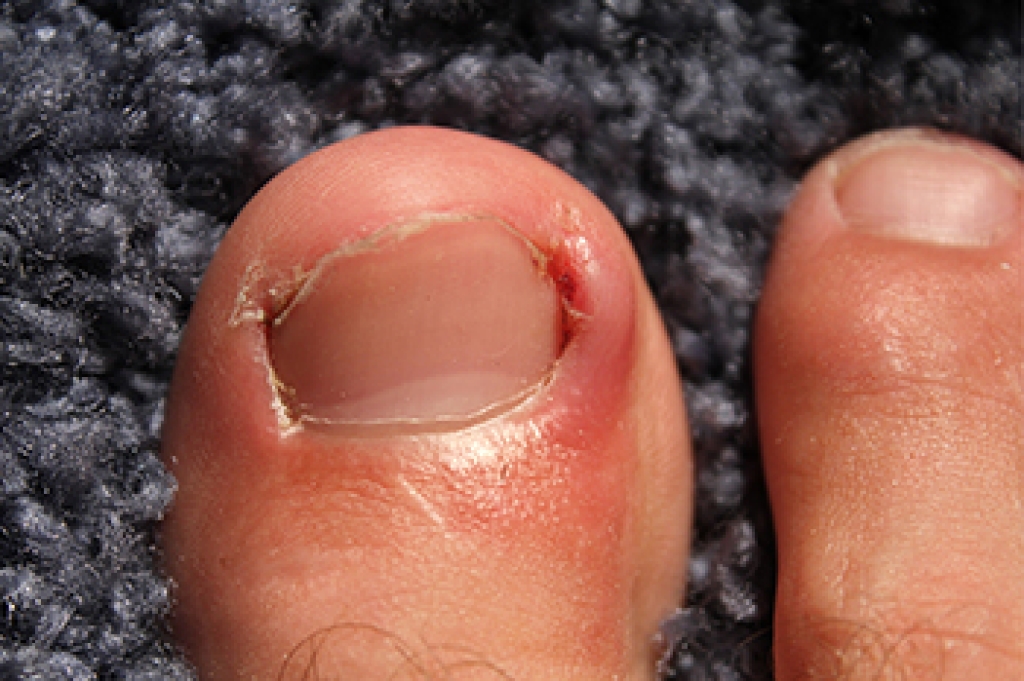
An ingrown toenail develops when the side of a nail presses into the skin. The affected toe can become painful, red, and swollen. Drainage can signal a more serious problem. Wearing tight shoes, curved nails, and improper trimming can increase pressure along the nail edge. A podiatrist examines the toe to determine how deeply the nail has entered the skin. The exam includes checking for infection and concerns that could affect healing. Patients with diabetes, poor blood flow, or reduced feeling should seek prompt professional care because small toe problems can become serious.
Treatment depends on pain, swelling, and skin damage. For a mild ingrown nail, a podiatrist can lift the nail edge away from the irritated skin. A splint or brace can hold the edge properly while the nail grows forward. The podiatrist can also trim the nail correctly and reduce thick areas that press against the toe. When infection is present, the foot doctor evaluates its severity and provides treatment. Professional care protects the skin, eases pressure, and lowers the risk of the problem becoming worse. The podiatrist can explain which shoe shapes provide enough room for the toes.
A painful or repeated ingrown toenail can require a minor procedure. After numbing the toe, the podiatrist removes the narrow section of nail that is cutting into the skin. In recurring cases, the nail root beneath that section is treated so the troublesome edge does not grow back. Removal of the nail is less common and is reserved for severe problems. Prevention includes trimming nails straight across, avoiding torn nail corners, and choosing properly fitting shoes. Regular podiatric checks are helpful for patients who have circulation problems or a reduced feeling in their feet. If you have an ingrown toenail, it is suggested that you schedule an appointment with a podiatrist for a diagnosis and appropriate treatment.
Toe pain can disrupt your daily activities. If you have any concerns, contact Dr. Michael A. Wood of Foot Health Institute. Our doctor can provide the care you need to keep you pain-free and on your feet.
What Causes Toe Pain?
Most severe toe pain is caused due to a sports injury, trauma from dropping something heavy on the toe, or bumping into something rigid. Other problems can develop over time for various reasons.
Toe pain can be caused by one or more ailments. The most common include:
When to See a Podiatrist
Diagnosis
In many cases the cause of toe pain is obvious, but in others, a podiatrist may want to use more advanced methods to determine the problem. These can range from simple visual inspections and sensation tests to X-rays and MRI scans. Prior medical history, family medical history, and any recent physical traumatic events will all be taken into consideration for a proper diagnosis.
Treatment
Treatments for toe pain and injuries vary and may include shoe inserts, padding, taping, medicines, injections, and in some cases, surgery. If you believe that you have broken a toe, please see a podiatrist as soon as possible.
If you have any questions please contact our office located in Lansing, IL . We offer the newest diagnostic and treatment technologies for all your foot and ankle needs.

A bunion is a bony bump that forms at the base of the big toe when the joint becomes misaligned. This condition develops over time as the big toe shifts toward the other toes, creating pressure and inflammation. Bunion surgery is a procedure performed to correct this deformity and reduce pain when conservative treatments do not provide relief. The definition of bunion surgery includes realigning the bone, ligaments, and tendons to restore proper foot function and reduce discomfort.
Symptoms of a bunion often include a visible bump, swelling, and persistent pain around the joint. Some individuals experience stiffness or difficulty wearing shoes due to pressure on the affected area. Risk factors for bunions include genetics, foot structure, and wearing tight or narrow shoes that crowd the toes. High-heeled footwear may also increase pressure on the front of the foot, worsening the condition. Over time, these factors can lead to joint damage and limited mobility.
Bunion surgery is typically recommended when pain interferes with daily activities or when the deformity continues to worsen. The procedure is performed by making small incisions near the affected joint and correcting the alignment of the bone. In some cases, the surgeon may remove part of the bone or reposition it using small screws or pins. Recovery involves rest, proper footwear, and gradual return to activity. The goal of surgery is to reduce pain, improve alignment, and restore normal foot function.
Understanding the causes and treatment options for bunions can help individuals make informed decisions about their care. Early management with proper footwear and support may slow progression, but advanced cases may require surgical correction. Monitoring symptoms and seeking professional advice can improve long-term outcomes. If you have a bunion and are considering surgery, it is suggested that you consult a podiatrist who can determine if this type of foot surgery is right for you.
Foot surgery is sometimes necessary to treat a foot ailment. To learn more, contact Dr. Michael A. Wood of Foot Health Institute. Our doctor will assist you with all of your foot and ankle needs.
When Is Surgery Necessary?
Foot and ankle surgery is generally reserved for cases in which less invasive, conservative procedures have failed to alleviate the problem. Some of the cases in which surgery may be necessary include:
What Types of Surgery Are There?
The type of surgery you receive will depend on the nature of the problem you have. Some of the possible surgeries include:
Benefits of Surgery
Although surgery is usually a last resort, it can provide more complete pain relief compared to non-surgical methods and may allow you to finally resume full activity.
Surgical techniques have also become increasingly sophisticated. Techniques like endoscopic surgery allow for smaller incisions and faster recovery times.
If you have any questions, please feel free to contact our office located in Lansing, IL . We offer the newest diagnostic and treatment technologies for all your foot care needs.
