
Your feet are covered most of the day. If you're diabetic, periodic screening is important for good health. Numbness is often a sign of diabetic foot and can mask a sore or wound.
Your feet are covered most of the day. If you're diabetic, periodic screening is important for good health. Numbness is often a sign of diabetic foot and can mask a sore or wound.
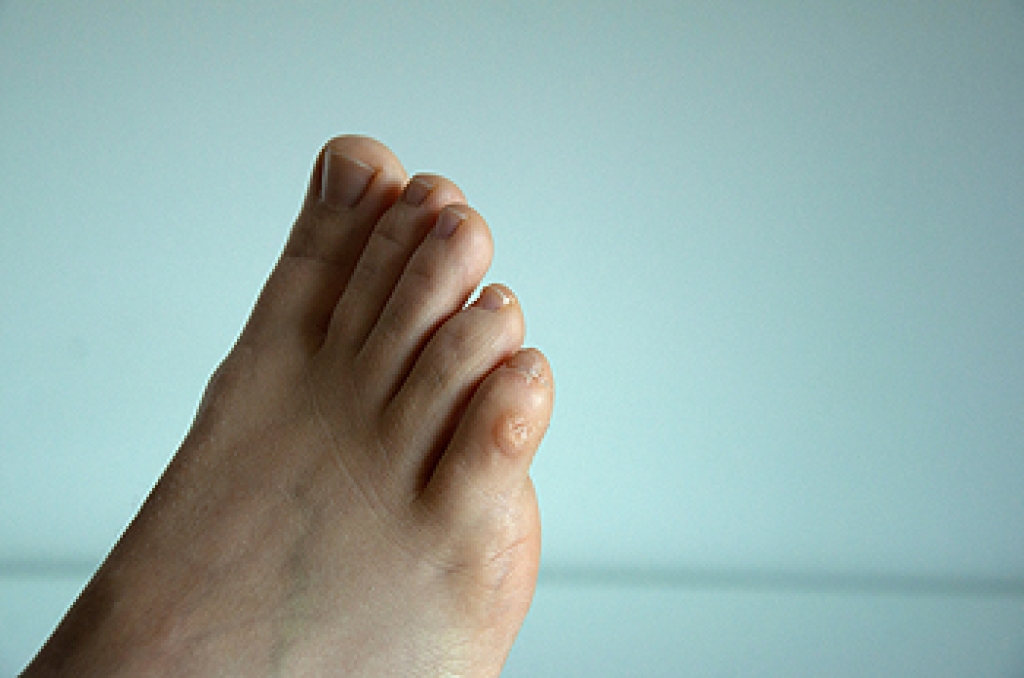
Corns are small, thick areas of skin that develop when repeated pressure or rubbing affects the same spot on the foot. A corn forms a more defined, round shape, often appearing on the top or sides of the toes. It has a hardened core that causes pain. A corn can also develop on the bottom of the foot. Pain can become noticeable while walking or when shoes press against the affected area. Shoes that do not fit correctly are a leading cause. High-heeled shoes can squeeze the toes and increase pressure. Foot structure also plays a role. Bunions, hammertoes, and other changes in foot shape create areas where skin thickens to protect itself from constant friction.
Instead of simply treating the thickened skin, a podiatrist can examine the foot to find the reason the corn developed. This helps identify pressure points and any foot problem causing repeated irritation. Corns usually return when the source of pressure remains. During treatment, a podiatrist can safely remove the thickened skin with specialized instruments. This reduces pain and improves comfort while walking. A podiatrist may also recommend custom orthotics when they are appropriate. These shoe inserts help spread pressure more evenly across the foot. Advice about shoes that fit correctly is another important part of treatment, because proper fit reduces rubbing and helps prevent new corns.
Ignoring a painful corn can change the way you walk, placing extra stress on other parts of the foot and ankle. Continued pressure can also increase discomfort and make daily activities more difficult. Patients with diabetes or poor circulation should never ignore a corn, because even minor skin problems deserve prompt attention. Early diagnosis allows a podiatrist to treat the corn and address the underlying cause before more serious problems develop. If you have foot pain from corns, it is suggested that you schedule an appointment with a podiatrist for effective relief and treatment solutions.
Corns can make walking very painful and should be treated immediately. If you have questions regarding your feet and ankles, contact Dr. Michael A. Wood of Foot Health Institute. Our doctor will treat your foot and ankle needs.
Corns: What Are They? And How Do You Get Rid of Them?
Corns are thickened areas on the skin that can become painful. They are caused by excessive pressure and friction on the skin. Corns press into the deeper layers of the skin and are usually round in shape.
Ways to Prevent Corns
There are many ways to get rid of painful corns such as:
Treating Corns
Although most corns slowly disappear when the friction or pressure stops, this isn’t always the case. Consult with your podiatrist to determine the best treatment option for your case of corns.
If you have any questions, please feel free to contact our office located in Lansing, IL . We offer the newest diagnostic and treatment technologies for all your foot care needs.
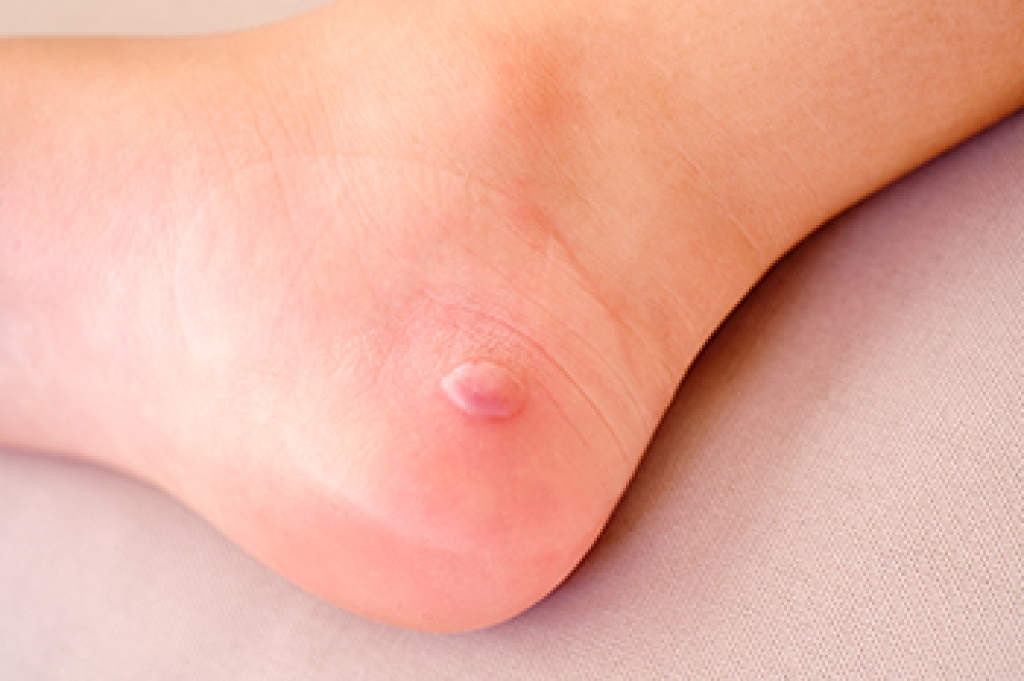
Blisters develop when repeated friction or pressure causes the upper layers of the skin to separate. The space between the layers fills with fluid, creating a small pocket that protects the damaged skin underneath. Blisters frequently appear on the heels, toes, or the balls of the feet. Wearing shoes that are too tight or shoes that lack proper support can increase friction and lead to blister formation. Long periods of activity, moisture, and foot deformities also can increase the risk. Symptoms include a raised area filled with clear fluid, tenderness, and pain while walking. Some blisters can break open, leaving the skin exposed and increasing the chance of infection. Patients with diabetes or poor circulation should receive prompt evaluation because even a small blister can become a serious foot problem.
A podiatrist performs a thorough examination to determine the cause of the blister and whether signs of infection are present. The evaluation includes checking the size and location of the blister, the condition of the surrounding skin, and the overall health of the foot. The podiatrist also looks for foot conditions, like bunions or hammertoes, that increase pressure and friction. Identifying the underlying cause is important because blisters are likely to return when the source of the problem is not corrected. Patients with repeated blisters can benefit from a complete foot evaluation to improve comfort and reduce future injuries.
Treatment focuses on protecting the skin while reducing pressure on the affected area. A podiatrist can safely drain a large or painful blister when necessary while preserving the healthy skin that covers it. Care also includes custom orthotics that improve foot alignment and distribute pressure more evenly. The podiatrist can recommend shoes that fit properly and provide good support to reduce friction while walking. Patients with infected blisters or deeper skin injuries receive prompt treatment to protect foot health and prevent complications. If you have symptoms of blisters, it is suggested that you schedule an appointment with a podiatrist for diagnosis and treatment.
Blisters may appear as a single bubble or in a cluster. They can cause a lot of pain and may be filled with pus, blood, or watery serum. If your feet are hurting, contact Dr. Michael A. Wood of Foot Health Institute. Our doctor can provide the care you need to keep you pain-free and on your feet.
Foot Blisters
Foot blisters are often the result of friction. This happens due to the constant rubbing from shoes, which can lead to pain.
What Are Foot Blisters?
A foot blister is a small fluid-filled pocket that forms on the upper-most layer of the skin. Blisters are filled with clear fluid and can lead to blood drainage or pus if the area becomes infected.
Symptoms
(Blister symptoms may vary depending on what is causing them)
Prevention & Treatment
In order to prevent blisters, you should be sure to wear comfortable shoes with socks that cushion your feet and absorb sweat. Breaking a blister open may increase your chances of developing an infection. However, if your blister breaks, you should wash the area with soap and water immediately and then apply a bandage to the affected area. If your blisters cause severe pain it is important that you call your podiatrist right away.
If you have any questions, please feel free to contact our office located in Lansing, IL . We offer the newest diagnostic and treatment technologies for all your foot care needs.

Pain in the ball of the foot can make simple activities difficult, especially when standing or walking. The ball of the foot is the padded area between the arch and the toes that helps support body weight with every step. When this area becomes irritated or inflamed, even routine movement can become painful. Symptoms can range from a dull ache to a sharp or burning sensation. Some patients also notice tingling, numbness, or the feeling that something is stuck inside a shoe. These symptoms can begin suddenly after an injury or develop gradually from repeated pressure on the front of the foot.
Several conditions can cause pain in the ball of the foot. Bunions, hammertoes, and high arches can affect how body weight is distributed across the foot. Activities that involve frequent running or jumping also increase pressure on the front of the foot. Footwear choices can make the problem worse. High-heels, shoes that are too tight or too loose, or shoes that lack proper support are common culprits. Medical conditions like arthritis, gout, and nerve irritation can also lead to pain in this area. A podiatrist begins with a thorough examination of the foot and discusses your symptoms and daily activities. Diagnostic testing includes X-rays or advanced imaging to identify injuries or rule out other conditions.
Treatment focuses on correcting the source of the pain and restoring normal foot function. A podiatrist can recommend custom orthotics to improve weight distribution, treat painful calluses, or address foot deformities that put pressure on the forefoot. When structural damage or severe deformities are responsible for ongoing pain, surgery can provide lasting relief. Prompt treatment also helps reduce the risk of developing pain in the ankles, knees, hips, or lower back because of an altered walking pattern. If you have pain in the ball of your foot, it is suggested that you schedule an appointment with a podiatrist for an accurate diagnosis and appropriate treatment.
Foot Pain
Foot pain can be extremely painful and debilitating. If you have a foot pain, consult with Dr. Michael A. Wood from Foot Health Institute. Our doctor will assess your condition and provide you with quality foot and ankle treatment.
Causes
Foot pain is a very broad condition that could be caused by one or more ailments. The most common include:
Diagnosis
To figure out the cause of foot pain, podiatrists utilize several different methods. This can range from simple visual inspections and sensation tests to X-rays and MRI scans. Prior medical history, family medical history, and any recent physical traumatic events will all be taken into consideration for a proper diagnosis.
Treatment
Treatment depends upon the cause of the foot pain. Whether it is resting, staying off the foot, or having surgery; podiatrists have a number of treatment options available for foot pain.
If you have any questions, please feel free to contact our office located in Lansing, IL . We offer the newest diagnostic and treatment technologies for all your foot care needs.
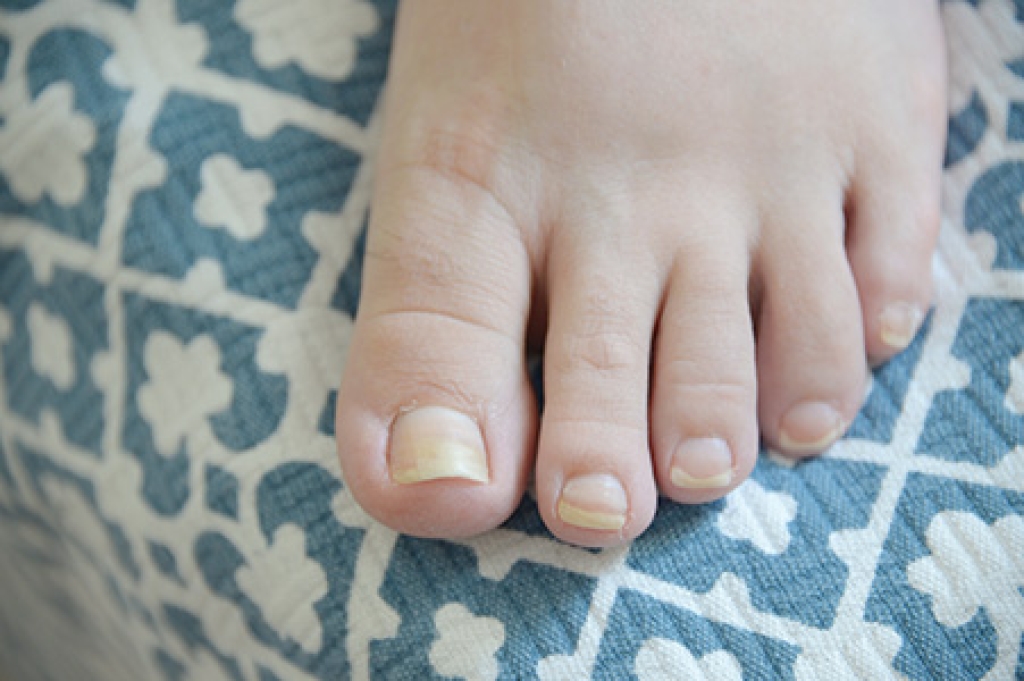
Toenail fungus can change the look and feel of the nail over time. It happens when tiny organisms grow in or under the toenail, often in warm, damp areas. The nail may become thick, yellow, brittle, or lifted from the nail bed. Some people also notice pain when pressure is placed on the toe while walking. Although toenail fungus may not seem urgent at first, it can be hard to manage once it becomes established. It may also spread to other nails or cause more discomfort as the nail changes shape. Professional podiatry care can help identify the problem early and reduce the chance of ongoing nail damage while supporting better foot health.
A podiatrist can examine the affected toenail and determine whether fungus is truly the cause. This matters because nail injuries, aging, psoriasis, and other problems can look similar to a fungal nail infection. In some cases, a small nail sample may be tested to confirm the diagnosis. Once the cause is clear, the podiatrist can recommend a treatment plan based on the severity of the infection and the patient’s overall foot health. Treatment may include prescription topical medication, oral medication, or careful trimming of thickened nail tissue. People with diabetes, poor circulation, or immune-system concerns should be especially cautious, because nail problems can lead to more serious foot issues.
Early evaluation is important because toenail fungus treatment often takes time and requires consistent follow-up. A podiatrist can monitor nail growth, check for changes, and adjust care when needed. Professional treatment may also improve comfort in shoes and support healthier-looking toenails. Seeking expert care helps avoid delays caused by guessing what is wrong with the nail. If you have thick, discolored, painful, or lifting toenails, it is suggested that you consult a podiatrist for an evaluation and appropriate treatment options.
If left untreated, toenail fungus may spread to other toenails, skin, or even fingernails. If you suspect you have toenail fungus it is important to seek treatment right away. For more information about treatment, contact Dr. Michael A. Wood of Foot Health Institute. Our doctor can provide the care you need to keep you pain-free and on your feet.
Symptoms
Treatment
If self-care strategies and over-the-counter medications does not help your fungus, your podiatrist may give you a prescription drug instead. Even if you find relief from your toenail fungus symptoms, you may experience a repeat infection in the future.
Prevention
In order to prevent getting toenail fungus in the future, you should always make sure to wash your feet with soap and water. After washing, it is important to dry your feet thoroughly especially in between the toes. When trimming your toenails, be sure to trim straight across instead of in a rounded shape. It is crucial not to cover up discolored nails with nail polish because that will prevent your nail from being able to “breathe”.
In some cases, surgical procedure may be needed to remove the toenail fungus. Consult with your podiatrist about the best treatment options for your case of toenail fungus.
If you have any questions please contact our office located in Lansing, IL . We offer the newest diagnostic and treatment technologies for all your foot and ankle needs.
