
Do you suffer from heel pain when you get up in the morning? If so, you should seek professional help and have a proper diagnosis performed. Heel pain can be caused by several different foot-related conditions.
Do you suffer from heel pain when you get up in the morning? If so, you should seek professional help and have a proper diagnosis performed. Heel pain can be caused by several different foot-related conditions.

A foot stress fracture is a small crack in a bone that develops from repetitive force or overuse, rather than a single injury. It often occurs when activity levels increase too quickly or when the feet are not properly supported. Symptoms include pain that worsens during weight-bearing activities and improves with rest. Risk factors include overuse, poor footwear, and weak bone health. Preventive steps include wearing properly fitted shoes, gradually increasing exercise intensity, and incorporating cross-training activities to reduce repeated strain. Maintaining a balanced diet rich in calcium and vitamin D can support bone strength. Additionally, pushing through pain during exercise can worsen the injury. If you have symptoms of a foot stress fracture, it is suggested that you consult a podiatrist who can accurately diagnose and treat it.
Stress fractures occur when there is a tiny crack within a bone. To learn more, contact Dr. Michael A. Wood from Foot Health Institute. Our doctor can provide the care you need to keep you pain free and on your feet.
How Are They Caused?
Stress fractures are the result of repetitive force being placed on the bone. Since the lower leg and feet often carry most of the body’s weight, stress fractures are likely to occur in these areas. If you rush into a new exercise, you are more likely to develop a stress fracture since you are starting too much, too soon. Pain resulting from stress fractures may go unnoticed at first, however it may start to worsen over time.
Risk Factors
Stress fractures do not always heal properly, so it is important that you seek help from a podiatrist if you suspect you may have one. Ignoring your stress fracture may cause it to worsen, and you may develop chronic pain as well as additional fractures.
If you have any questions please contact our office located in Lansing, IL . We offer the newest diagnostic and treatment technologies for all your foot and ankle needs.
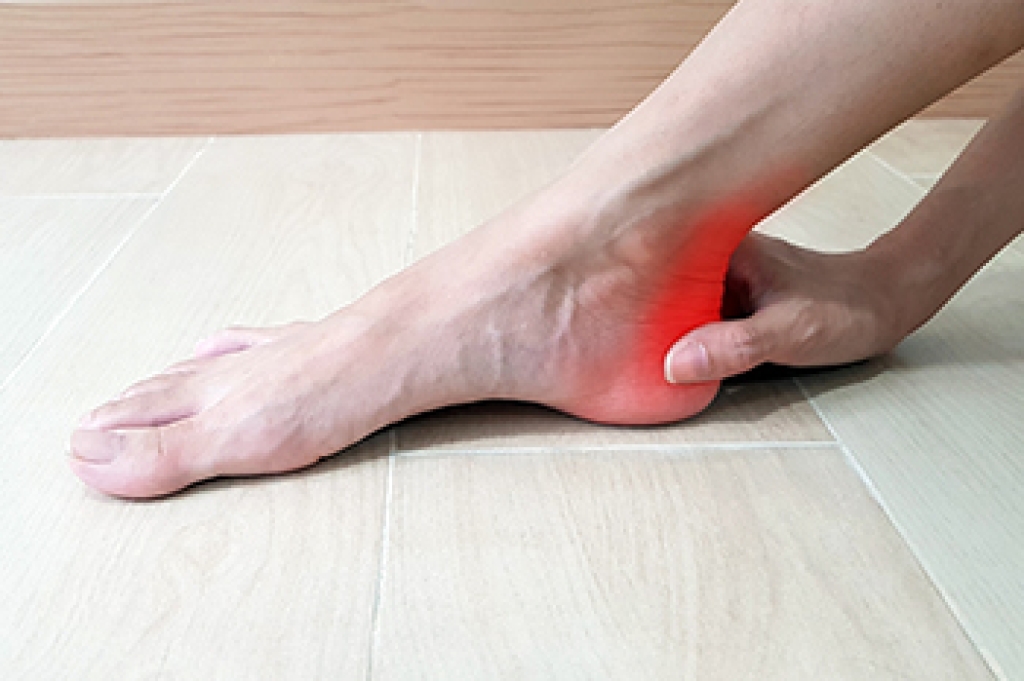
Achilles tendinopathy involves irritation and deterioration of the Achilles tendon, which connects the calf muscles to the heel. It often develops gradually and may cause pain, stiffness, or a tight feeling along the back of the ankle. It can occur both while walking or after periods of rest. The area may appear slightly swollen or thickened, and can feel tender to the touch. Common causes for heel pain include overuse, sudden increases in activity, or tight calf muscles. Wearing improper footwear can also place extra strain on the tendon. A podiatrist can evaluate the tendon, assess movement, and may use imaging to determine the extent of the condition. Treatment often includes activity modification, supportive footwear, and anti-inflammatory care. Targeted exercises can help to improve flexibility and strength. Early care can prevent worsening or tearing of the tendon. If you have pain along the back of your heel, it is suggested that you schedule an appointment with a podiatrist for an evaluation and appropriate treatment.
Achilles tendon injuries need immediate attention to avoid future complications. If you have any concerns, contact Dr. Michael A. Wood of Foot Health Institute. Our doctor can provide the care you need to keep you pain-free and on your feet.
What Is the Achilles Tendon?
The Achilles tendon is a tendon that connects the lower leg muscles and calf to the heel of the foot. It is the strongest tendon in the human body and is essential for making movement possible. Because this tendon is such an integral part of the body, any injuries to it can create immense difficulties and should immediately be presented to a doctor.
What Are the Symptoms of an Achilles Tendon Injury?
There are various types of injuries that can affect the Achilles tendon. The two most common injuries are Achilles tendinitis and ruptures of the tendon.
Achilles Tendinitis Symptoms
Rupture Symptoms
Treatment and Prevention
Achilles tendon injuries are diagnosed by a thorough physical evaluation, which can include an MRI. Treatment involves rest, physical therapy, and in some cases, surgery. However, various preventative measures can be taken to avoid these injuries, such as:
If you have any questions please feel free to contact our office located in Lansing, IL . We offer the newest diagnostic tools and technology to treat your foot and ankle needs.
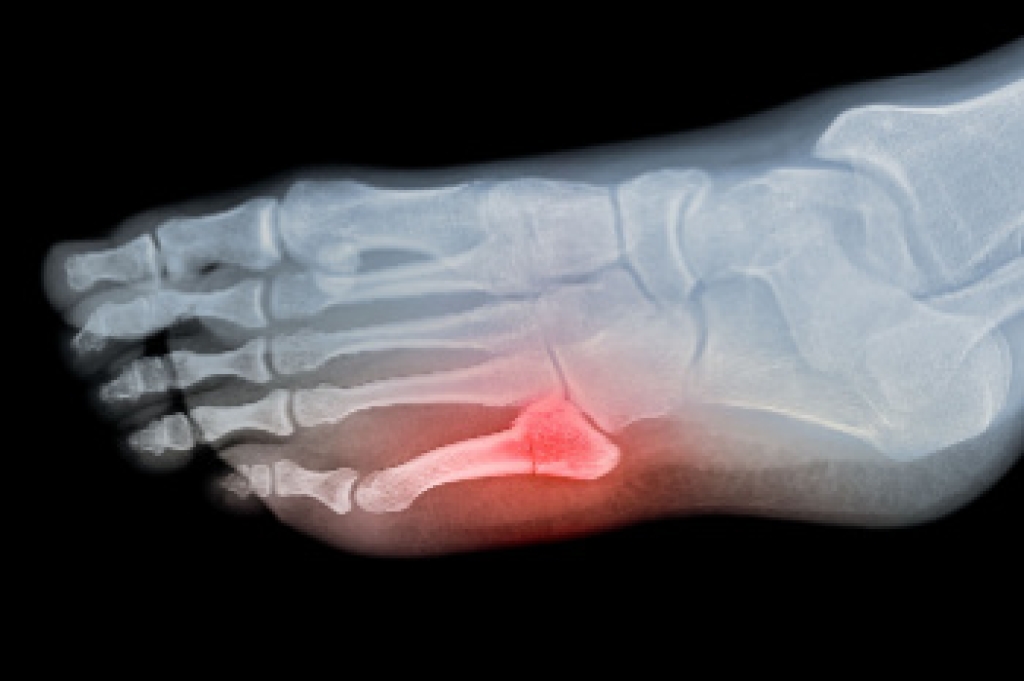
A broken toe is a fracture in one of the small bones of the toe, often caused by dropping a heavy object on the foot or forcefully stubbing it. Symptoms include pain, swelling, bruising, and sometimes a clearly deformed appearance. While it may be tempting to continue normal activities, running with a broken toe is not recommended. The repeated impact places added stress on the injured bone, which can worsen pain, delay healing, and increase the risk of improper alignment. Even if discomfort seems manageable, continuing to run can prolong recovery time, which is typically about six weeks with proper care. Risk factors include sports activities and not wearing protective footwear. A podiatrist can evaluate the injury, provide stabilization, and guide safe healing. If you have broken your toe, it is suggested that you consult a podiatrist who can offer effective treatment solutions, and guide you on an appropriate time frame to resume running.
Broken toes may cause a lot of pain and should be treated as soon as possible. If you have any concerns about your feet, contact Dr. Michael A. Wood from Foot Health Institute. Our doctor will treat your foot and ankle needs.
What Is a Broken Toe?
A broken toe occurs when one or more of the toe bones of the foot are broken after an injury. Injuries such as stubbing your toe or dropping a heavy object on it may cause a toe fracture.
Symptoms of a Broken Toe
Although the injured toe should be monitored daily, it is especially important to have a podiatrist look at your toe if you have severe symptoms. Some of these symptoms include worsening or new pain that is not relieved with medication, sores, redness, or open wounds near the toe.
If you have any questions please feel free to contact our office located in Lansing, IL . We offer the newest diagnostic tools and technology to treat your foot and ankle needs.
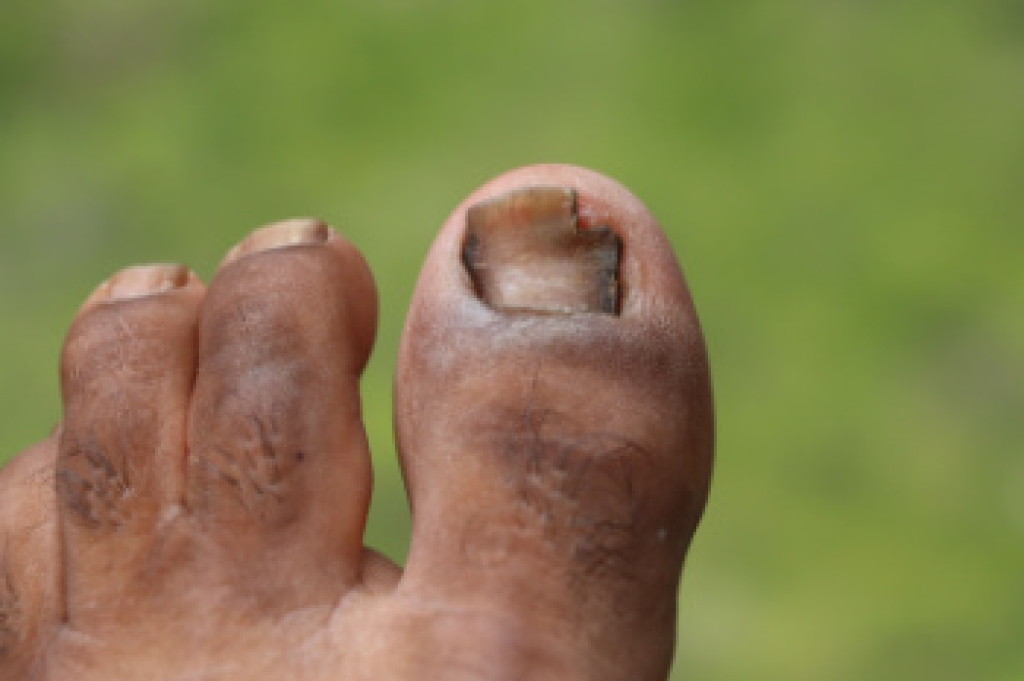
Toenail fungus is one of the most common reasons for thickened toenails. The infection can cause the nail to become discolored, brittle, and enlarged, often appearing yellow, white, or brown. As the nail thickens, it may become harder to trim and can press against the surrounding skin, leading to discomfort. Other causes of thick toenails include repeated trauma from tight shoes, aging, or underlying skin conditions that affect nail growth. In some cases, the nail may lift from the nail bed or develop a crumbly texture. A podiatrist can evaluate the nail to determine whether the thickening is due to fungal infection or another cause. Treatment options include antifungal medications, professional trimming or thinning of the nail, and guidance on proper foot hygiene and footwear. Early care helps improve comfort and prevent the condition from worsening. If you have thick toenails or signs of a fungal infection, it is suggested that you make an appointment with a podiatrist.
For more information about treatment, contact Dr. Michael A. Wood of Foot Health Institute. Our doctor can provide the care you need to keep you pain-free and on your feet.
Toenail Fungus Treatment
Toenail fungus is a condition that affects many people and can be especially hard to get rid of. Fortunately, there are several methods to go about treating and avoiding it.
Antifungals & Deterrence
Oral antifungal medicine has been shown to be effective in many cases. It is important to consult with a podiatrist to determine the proper regiment for you, or potentially explore other options.
Applying foot powder on the feet and shoes helps keep the feet free of moisture and sweat.
Sandals or open toed shoes – Wearing these will allow air movement and help keep feet dry. They also expose your feet to light, which fungus cannot tolerate. Socks with moisture wicking material also help as well.
If you have any questions please contact our office located in Lansing, IL . We offer the newest diagnostic and treatment technologies for all your foot and ankle needs.
