
Custom orthotics, or shoe inserts, should be periodically replaced. Orthotics must fit properly to give you the best results. Protect your feet and ankles!
Custom orthotics, or shoe inserts, should be periodically replaced. Orthotics must fit properly to give you the best results. Protect your feet and ankles!
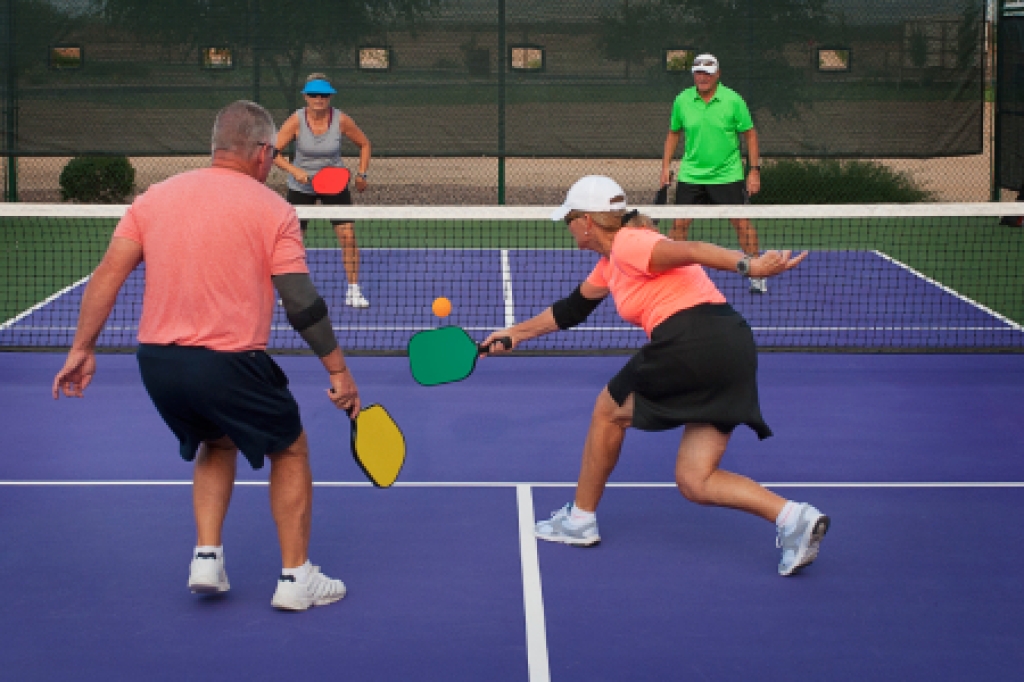
Pickleball is a fast-growing sport that requires quick movements and balance. However, falls can occur due to wearing improper footwear, poor court movement, and lack of preparation. Shoes without proper grip or support increase slipping risk, while sudden direction changes without training can strain feet and ankles. Inadequate warm-up and conditioning also reduces stability and reaction time. Learning proper footwork, practicing controlled movements, and wearing court-specific shoes can significantly lower injury risk. A podiatrist can evaluate foot mechanics, recommend supportive footwear, and provide custom orthotics or exercises to improve strength and alignment. Taking these steps helps players stay confident and safe. If you have developed a foot and ankle injury from pickleball or fallen on the court, it is suggested that you consult a podiatrist who can offer effective treatment solutions and fall prevention tips.
Preventing falls among the elderly is very important. If you are older and have fallen or fear that you are prone to falling, consult with Dr. Michael A. Wood from Foot Health Institute. Our doctor will assess your condition and provide you with quality advice and care.
Every 11 seconds, an elderly American is being treated in an emergency room for a fall related injury. Falls are the leading cause of head and hip injuries for those 65 and older. Due to decreases in strength, balance, senses, and lack of awareness, elderly persons are very susceptible to falling. Thankfully, there are a number of things older persons can do to prevent falls.
How to Prevent Falls
Some effective methods that older persons can do to prevent falls include:
Falling can be a traumatic and embarrassing experience for elderly persons; this can make them less willing to leave the house, and less willing to talk to someone about their fears of falling. Doing such things, however, will increase the likelihood of tripping or losing one’s balance. Knowing the causes of falling and how to prevent them is the best way to mitigate the risk of serious injury.
If you have any questions, please feel free to contact our office located in Lansing, IL . We offer the newest diagnostic and treatment technologies for all your foot care needs.
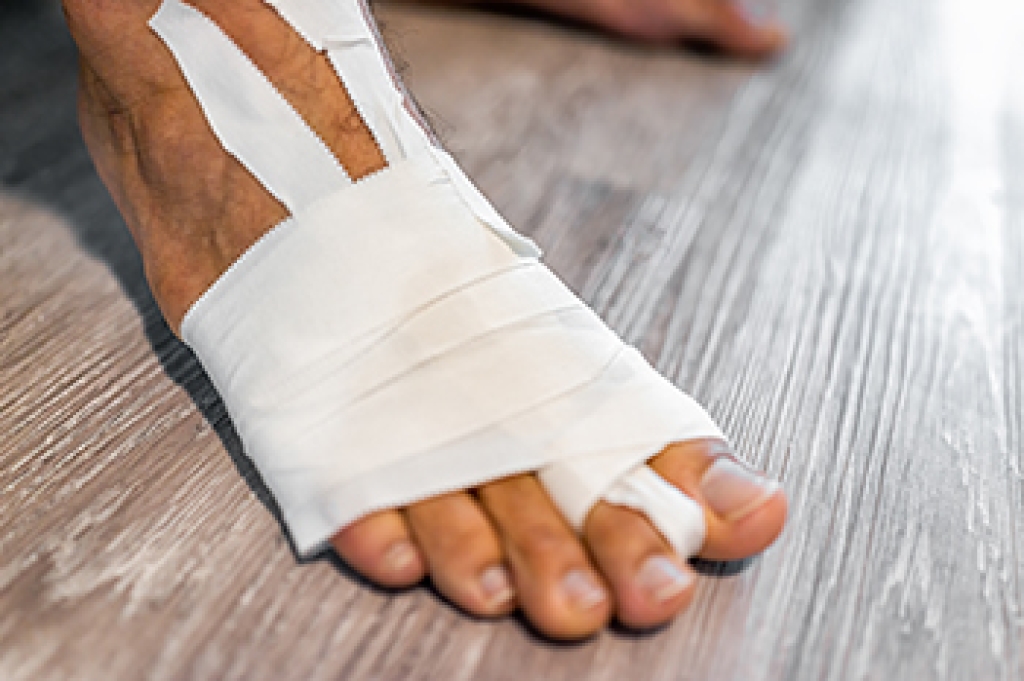
Turf toe is a sprain of the largest joint in the big toe, caused by excessive upward bending during movement. This injury often occurs in athletes who play on firm surfaces and involves damage to the surrounding ligaments. Grades of injury include mild stretching of the tissues with slight discomfort, partial tearing with swelling and limited motion, and more severe injury with significant pain, bruising, and difficulty bearing weight. Risk factors include high-impact sports, improper footwear, and repetitive stress on the forefoot. A podiatrist can help by evaluating the injury, providing treatment to reduce inflammation, and guiding recovery. If you have pain in your big toe, it is suggested that you consult a podiatrist who can accurately diagnose and treat turf toe.
Foot Pain
Foot pain can be extremely painful and debilitating. If you have a foot pain, consult with Dr. Michael A. Wood from Foot Health Institute. Our doctor will assess your condition and provide you with quality foot and ankle treatment.
Causes
Foot pain is a very broad condition that could be caused by one or more ailments. The most common include:
Diagnosis
To figure out the cause of foot pain, podiatrists utilize several different methods. This can range from simple visual inspections and sensation tests to X-rays and MRI scans. Prior medical history, family medical history, and any recent physical traumatic events will all be taken into consideration for a proper diagnosis.
Treatment
Treatment depends upon the cause of the foot pain. Whether it is resting, staying off the foot, or having surgery; podiatrists have a number of treatment options available for foot pain.
If you have any questions, please feel free to contact our office located in Lansing, IL . We offer the newest diagnostic and treatment technologies for all your foot care needs.
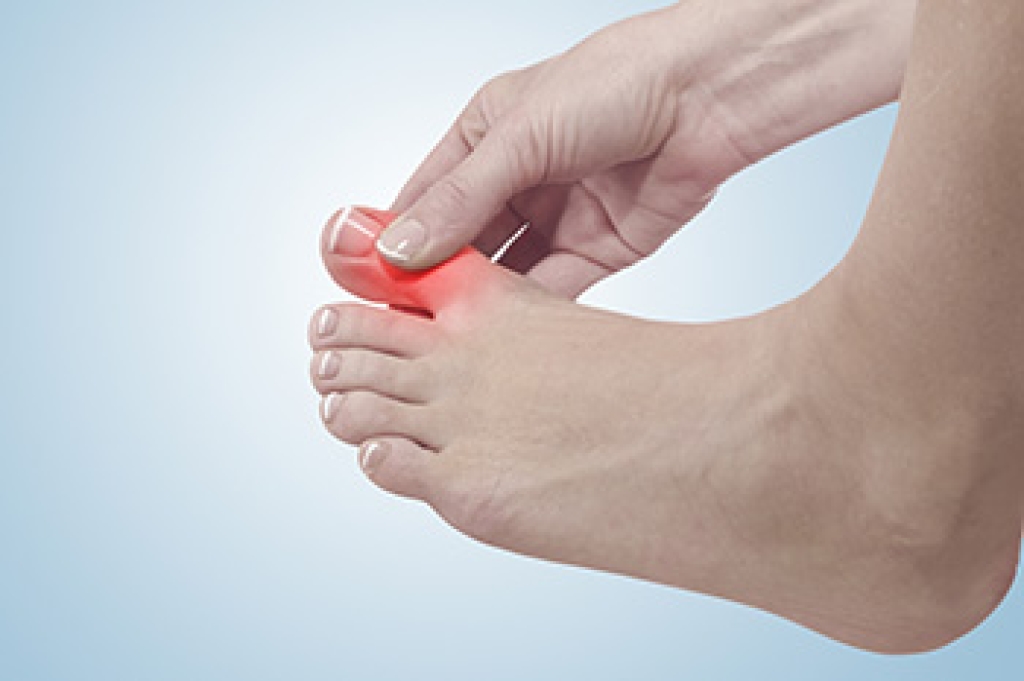
Gout is a form of inflammatory arthritis that occurs when uric acid builds up in the bloodstream and forms crystals within a joint, often affecting the big toe. This can cause sudden and intense pain along with redness, warmth, and swelling that may develop quickly and make walking or wearing shoes difficult. The joint may look inflamed and feel extremely tender, even with light pressure. A podiatrist can play an important role in identifying gout, helping to manage symptoms early and coordinating with other providers if testing is needed. Treatment typically focuses on reducing inflammation and relieving pain with appropriate medication while also protecting the joint during flare-ups. A podiatrist can also recommend proper footwear, activity adjustments, and strategies to reduce stress on the affected area to help prevent future episodes. If you have gout, it is suggested that you make an appointment with a podiatrist.
Gout is a foot condition that requires certain treatment and care. If you are seeking treatment, contact Dr. Michael A. Wood from Foot Health Institute. Our doctor will treat your foot and ankle needs.
What Is Gout?
Gout is a type of arthritis caused by a buildup of uric acid in the bloodstream. It often develops in the foot, especially the big toe area, although it can manifest in other parts of the body as well. Gout can make walking and standing very painful and is especially common in diabetics and the obese.
People typically get gout because of a poor diet. Genetic predisposition is also a factor. The children of parents who have had gout frequently have a chance of developing it themselves.
Gout can easily be identified by redness and inflammation of the big toe and the surrounding areas of the foot. Other symptoms include extreme fatigue, joint pain, and running high fevers. Sometimes corticosteroid drugs can be prescribed to treat gout, but the best way to combat this disease is to get more exercise and eat a better diet.
If you have any questions, please feel free to contact our office located in Lansing, IL . We offer the newest diagnostic and treatment technologies for all your foot care needs.
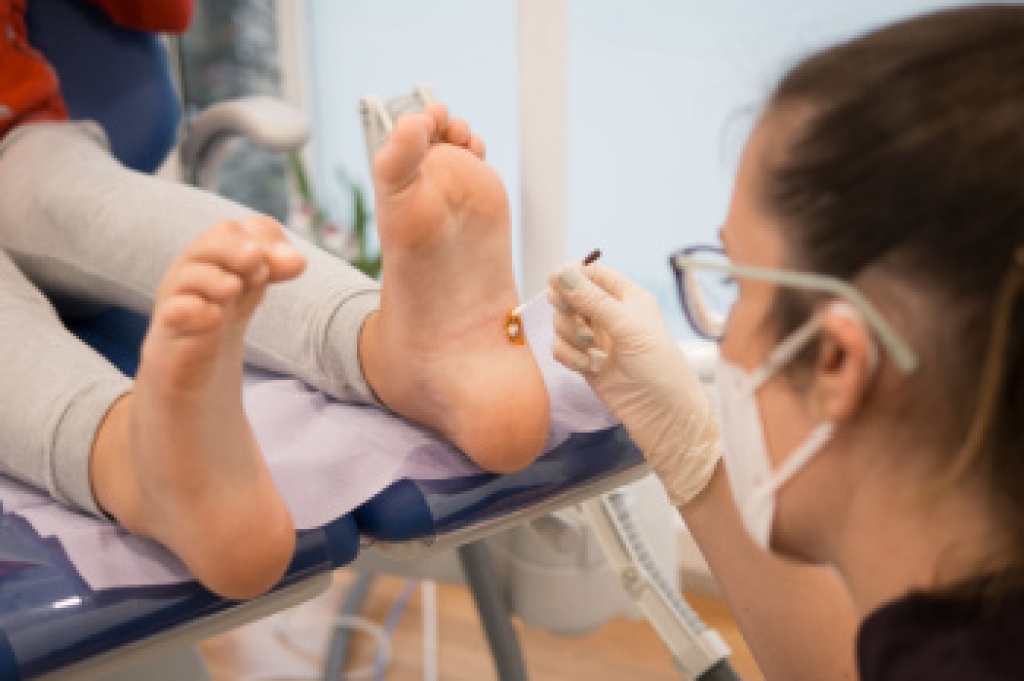
Plantar warts are growths that develop on the bottom of the foot due to a viral infection in the skin. They often appear as small, rough areas with tiny black dots and may feel tender when walking or standing. Unlike other warts, they can grow inward because of pressure from body weight, creating a sensation similar to stepping on a pebble. The virus thrives in warm, moist environments, so it is commonly spread in locker rooms, around pools, or shared surfaces. A podiatrist can identify plantar warts through examination and may gently trim the area to reduce pressure and confirm the diagnosis. Treatment options include topical medications, freezing, or other in-office procedures designed to remove the wart and reduce recurrence. Early care can help prevent spread and discomfort. If you have plantar warts, it is suggested that you make an appointment with a podiatrist.
Plantar warts can be very uncomfortable. If you need your feet checked, contact Dr. Michael A. Wood from Foot Health Institute. Our doctor will assist you with all of your foot and ankle needs.
About Plantar Warts
Plantar warts are the result of HPV, or human papillomavirus, getting into open wounds on the feet. They are mostly found on the heels or balls of the feet.
While plantar warts are generally harmless, those experiencing excessive pain or those suffering from diabetes or a compromised immune system require immediate medical care. Plantar warts are easily diagnosed, usually through scraping off a bit of rough skin or by getting a biopsy.
Symptoms
Treatment
To help prevent developing plantar warts, avoid walking barefoot over abrasive surfaces that can cause cuts or wounds for HPV to get into. Avoiding direct contact with other warts, as well as not picking or rubbing existing warts, can help prevent the further spread of plantar warts. However, if you think you have developed plantar warts, speak to your podiatrist. He or she can diagnose the warts on your feet and recommend the appropriate treatment options.
If you have any questions, please feel free to contact our office located in Lansing, IL . We offer the newest diagnostic and treatment technologies for all your foot care needs.
