
Gout is a painful, inflammatory form of arthritis. Those affected will typically feel an intense stiffness in the joints of their feet, particularly in the big toe. Schedule a visit to learn about how gout can be managed and treated.
Gout is a painful, inflammatory form of arthritis. Those affected will typically feel an intense stiffness in the joints of their feet, particularly in the big toe. Schedule a visit to learn about how gout can be managed and treated.
Plantar fasciitis causes heel pain that develops when the plantar fascia becomes irritated or strained. The plantar fascia is a band of tissue running along the bottom of the foot. Symptoms of plantar fasciitis include sharp heel pain with the first steps after waking or sitting. Pain may improve with movement, but can return after standing or activity. Risk factors include excess activity, tight calf muscles, and excess strain on the feet.
Several factors can contribute to plantar fasciitis. Repetitive impact from running or jumping can stress the plantar fascia. Standing for long periods can pressure the heel. Additionally, wearing unsupportive shoes may contribute to strain. A plantar fascia stretch can help lengthen tissue along the bottom of the foot. This stretch can be performed by sitting, crossing the affected foot over the opposite leg, and gently pulling the toes back until a stretch is comfortably felt.
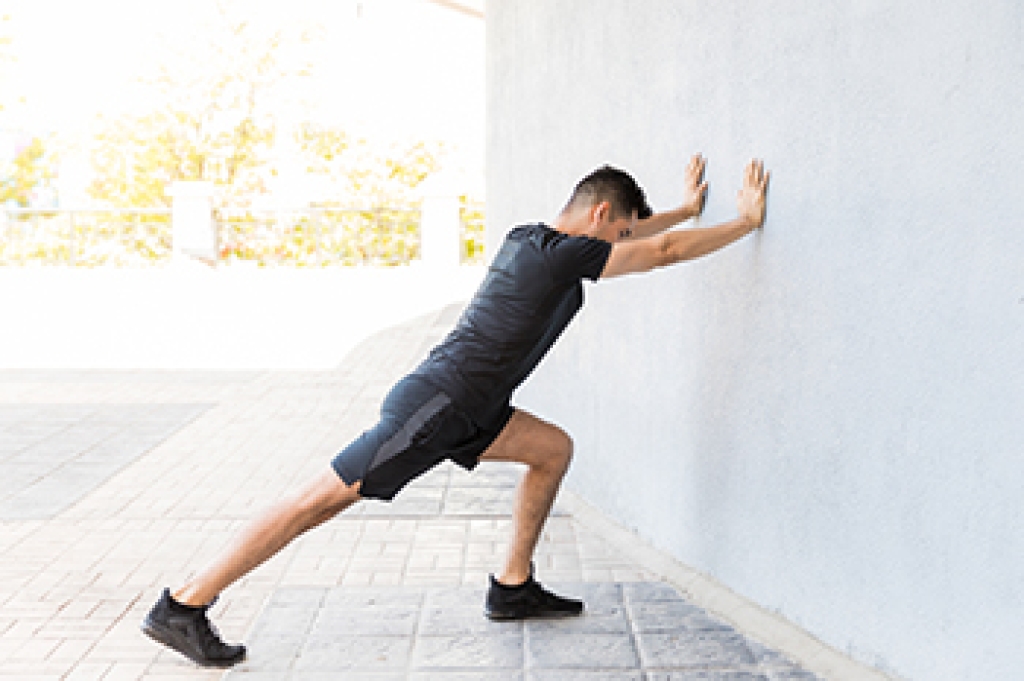
An Achilles tendon stretch focuses on the calf and Achilles tendon, which connect the calf muscles to the heel. Tightness can increase stress through the foot during walking. A simple stretch involves standing near a wall with one leg behind the other, and keeping the back heel down while bending the front knee. A podiatrist may examine the feet, assess walking patterns, and identify contributing factors. Treatment may include stretching, activity changes, and other conservative care.
Consistency can support recovery from plantar fasciitis. Stretching should feel gentle rather than painful, and activities that sharply increase heel pain should be reduced. A podiatrist can monitor progress and adjust treatment when needed. Persistent heel pain should not be ignored because other conditions can cause similar symptoms. If you have plantar fasciitis or consistent heel pain, it is suggested that you consult a podiatrist for effective relief and treatment solutions, which may include additional stretches for the plantar fascia.
Stretching the feet is a great way to prevent injuries. If you have any concerns with your feet consult with Dr. Michael A. Wood from Foot Health Institute. Our doctor will assess your condition and provide you with quality foot and ankle treatment.
Stretching the Feet
Stretching the muscles in the foot is an important part in any physical activity. Feet that are tight can lead to less flexibility and make you more prone to injury. One of the most common forms of foot pain, plantar fasciitis, can be stretched out to help ease the pain. Stretching can not only ease pain from plantar fasciitis but also prevent it as well. However, it is important to see a podiatrist first if stretching is right for you. Podiatrists can also recommend other ways to stretch your feet. Once you know whether stretching is right for you, here are some excellent stretches you can do.
It is best to go easy when first stretching your foot and work your way up. If your foot starts hurting, stop exercising and ice and rest the foot. It is advised to then see a podiatrist for help.
If you have any questions please contact our office located in Lansing, IL . We offer the newest diagnostic and treatment technologies for all your foot and ankle needs.
Foot biomechanics refers to the way the bones, joints, ligaments, and muscles work together during movement. The feet form an important part of the lower body’s movement system because they interact directly with the ground. When walking, they must manage forces created by body weight while helping the body remain balanced. Normal foot biomechanics allow these forces to be distributed throughout the foot and lower leg. The arches also play an important role in supporting weight. Bones and ligaments provide stability, while the tissue along the bottom of the foot helps absorb stress as the toes extend during push-off.
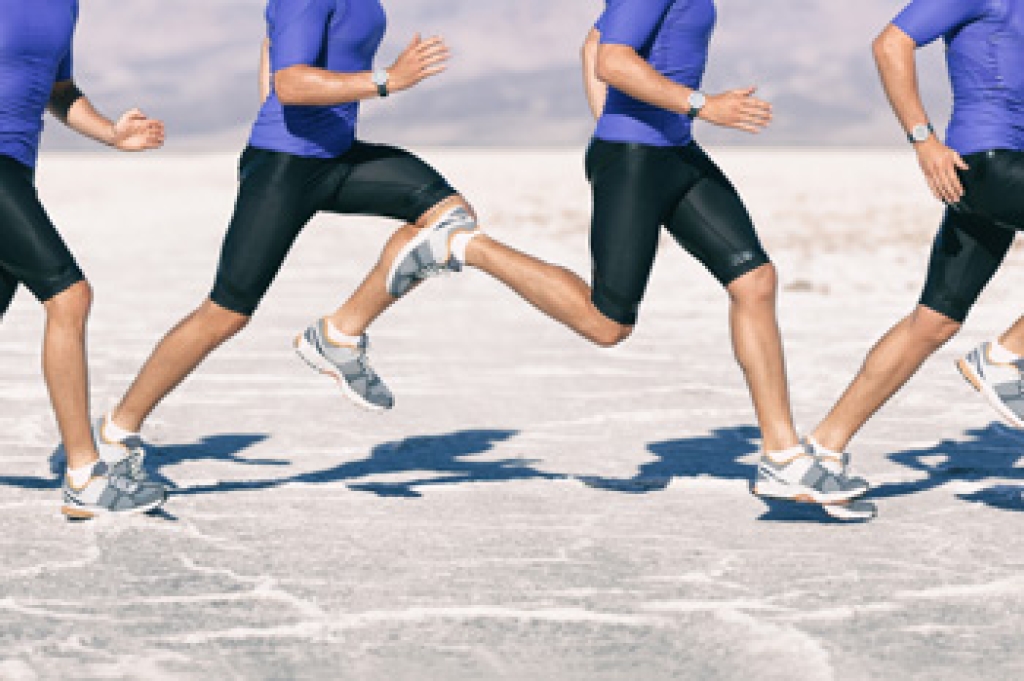
Walking requires the foot and ankle to change position with each step. Pronation happens after the heel touches the ground. The foot rolls slightly inward and becomes more flexible, helping it absorb shock and adjust to the walking surface. Later, supination occurs as the foot rolls slightly outward. This makes the foot firmer and more stable so it can push off the ground. Together, pronation and supination help maintain balance, spread pressure across the foot, and support smooth movement.
A podiatrist can evaluate foot biomechanics when pain or changes in walking suggest that the feet are not functioning efficiently. Abnormal pronation or supination can influence other areas because movement of the feet is connected with the lower legs and knees. The effects may extend higher through the body as well. A biomechanical evaluation can examine foot position, joint movement, and walking patterns to better understand how forces travel through the lower body. Identifying unusual movement patterns can help guide appropriate podiatric treatment for related foot and ankle concerns. If foot pain or changes in your walking pattern are affecting comfortable movement, it is suggested that you consult a podiatrist for a professional evaluation and appropriate treatment options.
If you have any concerns about your feet, contact Dr. Michael A. Wood from Foot Health Institute. Our doctor can provide the care you need to keep you pain-free and on your feet.
Biomechanics in Podiatry
Podiatric biomechanics is a particular sector of specialty podiatry with licensed practitioners who are trained to diagnose and treat conditions affecting the foot, ankle and lower leg. Biomechanics deals with the forces that act against the body, causing an interference with the biological structures. It focuses on the movement of the ankle, the foot and the forces that interact with them.
A History of Biomechanics
Modern technological improvements are based on past theories and therapeutic processes that provide a better understanding of podiatric concepts for biomechanics. Computers can provide accurate information about the forces and patterns of the feet and lower legs.
Understanding biomechanics of the feet can help improve and eliminate pain, stopping further stress to the foot.
If you have any questions please feel free to contact our office located in Lansing, IL . We offer the newest diagnostic and treatment technologies for all your foot and ankle needs.
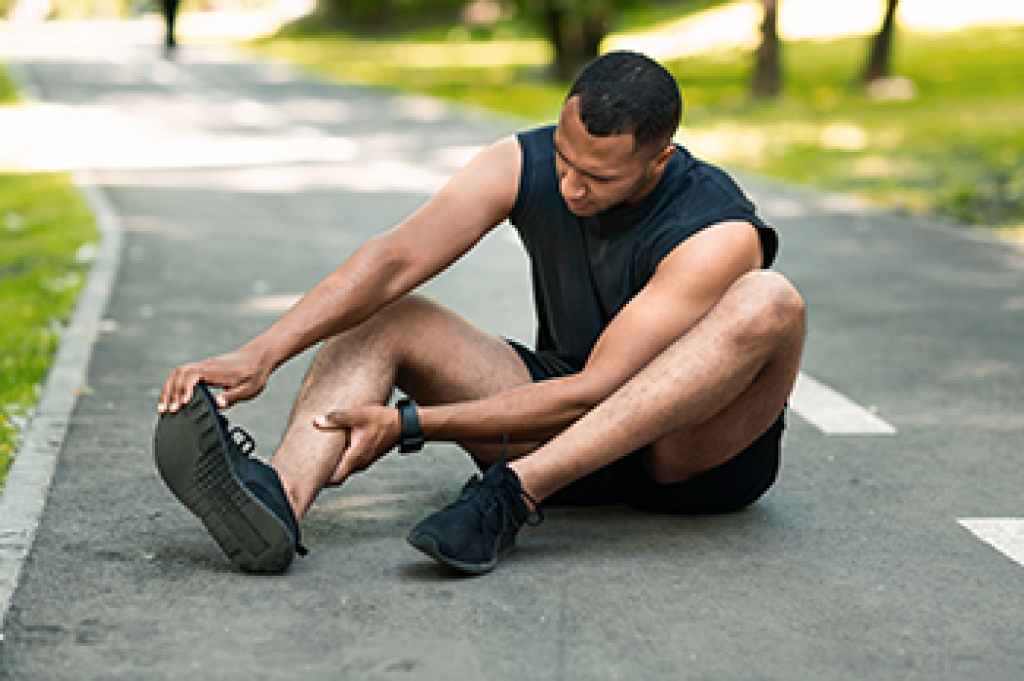
Running places repeated stress on the feet and ankles, making these areas vulnerable to injury. Both long-distance runners and casual joggers can develop foot problems that interfere with training and performance. Heel pain is one common complaint and may result from plantar fasciitis, which involves inflammation of the tissue supporting the foot’s arch. Achilles tendon pain can also develop from overuse. Runners who increase their training too quickly may be more likely to experience tendon irritation, especially when they are new to the activity. Recognizing persistent pain early can help prevent a running injury from becoming more serious.
Pain in the ball of the foot is another concern for runners. A neuroma, which is a pinched nerve between the toes, can cause burning, numbness, or pain in this area. Inflammation of the joints near the toes can produce similar discomfort. Stress fractures are another potential running injury. These small breaks in the bones of the foot may develop gradually and can cause swelling and pain. Being able to walk does not necessarily mean a bone is not fractured. Because several running injuries can cause overlapping symptoms, ongoing discomfort should be professionally evaluated to determine its source.
A podiatrist can evaluate running-related foot and ankle pain before it significantly interferes with activity. An examination can help determine whether symptoms involve a tendon, nerve, or bone. Depending on the problem, professional treatment may include custom orthotics or physical therapy. Other treatment options may be considered based on the diagnosis. A podiatrist can also assess whether footwear or foot mechanics may be contributing to repeated stress. Prompt attention is especially important when pain and swelling continue or gradually become worse. Protecting foot and ankle health can help runners remain active while reducing the risk of more serious problems. If running causes persistent foot or ankle pain, it is suggested that you consult a podiatrist for an evaluation and appropriate treatment options.
Exercising your feet regularly with the proper foot wear is a great way to prevent injuries. If you have any concerns about your feet, contact Dr. Michael A. Wood of Foot Health Institute. Our doctor will treat your foot and ankle needs.
How to Prevent Running Injuries
Many common running injuries are caused by overuse and overtraining. When the back of the kneecap starts wearing out and starts causing pain in your knee, this is commonly referred to as runner’s knee. Runner’s knee is a decrease in strength in your quadriceps and can occur if you’re not wearing properly fitted or supporting shoes. To prevent runner’s knee, focusing on hip strengthening is a good idea, as well as strengthening your quads to keep the kneecaps aligned.
What Are Some Causes of Running Injuries?
- One cause of a common running injury is called iliotibial band syndrome.
- Plantar fasciitis is also another common injury.
- Stress fractures can occur from overtraining, lack of calcium, or even your running style.
Best Ways to Prevent Running Injuries
- Wear footwear that fits properly and suits your running needs.
- Running shoes are the only protective gear that runners have to safeguard them from injury.
- Make a training schedule. Adding strengthening exercises as well as regular stretching can help keep you strong and limber and can lessen the possibility of injuries.
- Stretching keeps muscles limber; this will help you gain better flexibility.
If you have any questions, please feel free to contact our office located in Lansing, IL . We offer the newest diagnostic and treatment technologies for all your foot care needs.
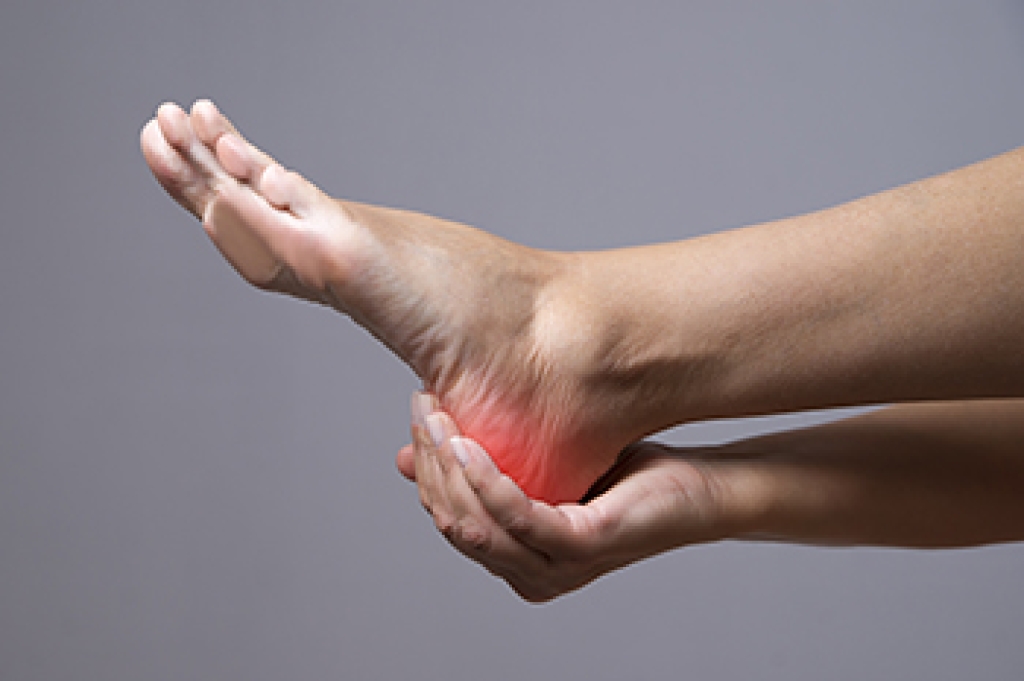
Inferior calcaneal bursitis is inflammation of a small fluid-filled sac beneath the heel bone. This bursa helps reduce friction during walking. When irritated, heel pain can develop beneath the heel. Symptoms may include tenderness, aching, or discomfort when standing. Pain may become worse after activity or pressure. Some people describe the area as bruised or sensitive. Understanding the cause of heel pain is important because several foot conditions can create similar symptoms.
Several factors can increase the risk of inferior calcaneal bursitis. Repetitive walking, running, or jumping can stress the heel. Wearing unsupportive footwear may increase pressure in this area. Certain foot mechanics can create uneven weight distribution, and excess body weight can increase heel stress. A sudden increase in activity may trigger irritation. Direct impact and prolonged standing may contribute to inflammation. Identifying these factors helps a podiatrist create appropriate treatment.
Diagnosis begins with questions about when pain started and what activities make it worse. A podiatrist examines the heel for tenderness, swelling, and irritation. Gentle pressure can help identify the painful area. Imaging, such as an X-ray or ultrasound, may be recommended when another condition needs review. Treatment may begin with reducing aggravating activities and choosing supportive footwear. A podiatrist may recommend custom orthotics to improve pressure distribution. Padding, medication, or an injection may also be considered, when appropriate.
Healing depends on addressing the source of irritation. Your podiatrist can monitor symptoms and adjust treatment as your heel improves. Persistent heel pain should not be ignored, especially when it affects walking. An accurate diagnosis helps separate bursitis from other causes of heel pain. A personalized treatment plan can support safe, comfortable daily movement and reduce irritation again. If you have consistent heel pain, it is suggested that you consult a podiatrist who can accurately diagnose and treat inferior calcaneal bursitis.
Many people suffer from bouts of heel pain. For more information, contact Dr. Michael A. Wood of Foot Health Institute. Our doctor can provide the care you need to keep you pain-free and on your feet.
Causes of Heel Pain
Heel pain is often associated with plantar fasciitis. The plantar fascia is a band of tissues that extends along the bottom of the foot. A rip or tear in this ligament can cause inflammation of the tissue.
Achilles tendonitis is another cause of heel pain. Inflammation of the Achilles tendon will cause pain from fractures and muscle tearing. Lack of flexibility is also another symptom.
Heel spurs are another cause of pain. When the tissues of the plantar fascia undergo a great deal of stress, it can lead to ligament separation from the heel bone, causing heel spurs.
Why Might Heel Pain Occur?
Treatments
Heel pain should be treated as soon as possible for immediate results. Keeping your feet in a stress-free environment will help. If you suffer from Achilles tendonitis or plantar fasciitis, applying ice will reduce the swelling. Stretching before an exercise like running will help the muscles. Using all these tips will help make heel pain a condition of the past.
If you have any questions, please feel free to contact our office located in Lansing, IL . We offer the newest diagnostic and treatment technologies for all your foot care needs.
